2025 Top Shrink Wrap Types: What You Need to Know for Packaging
Shrink wrap has become an integral part of the packaging industry, serving a myriad of applications across various sectors. According to a recent report by Smithers, the global shrink film market is expected to reach $10.6 billion by 2025, reflecting a compound annual growth rate (CAGR) of 4.5%. This growth is driven by an increasing demand for efficient packaging solutions that enhance product protection, improve shelf life, and offer branding opportunities. As industries strive for sustainability, shrink wrap technology continues to evolve, leading to the development of eco-friendly options that meet consumer and regulatory expectations.
In the realm of packaging, shrink wrap serves not only as a protective barrier but also as a marketing tool. It provides an aesthetically pleasing finish and allows for the display of graphics and information directly on the packaging. According to a report by Grand View Research, the application of shrink wrap in food and beverage packaging is particularly noteworthy, contributing significantly to its market demand due to the need for hygienic and tamper-proof solutions. As we approach 2025, understanding the various types of shrink wrap available, including polyolefin and PVC options, will be essential for companies aiming to optimize their packaging strategy and remain competitive in a rapidly changing market.
Understanding Different Types of Shrink Wrap for Packaging Needs
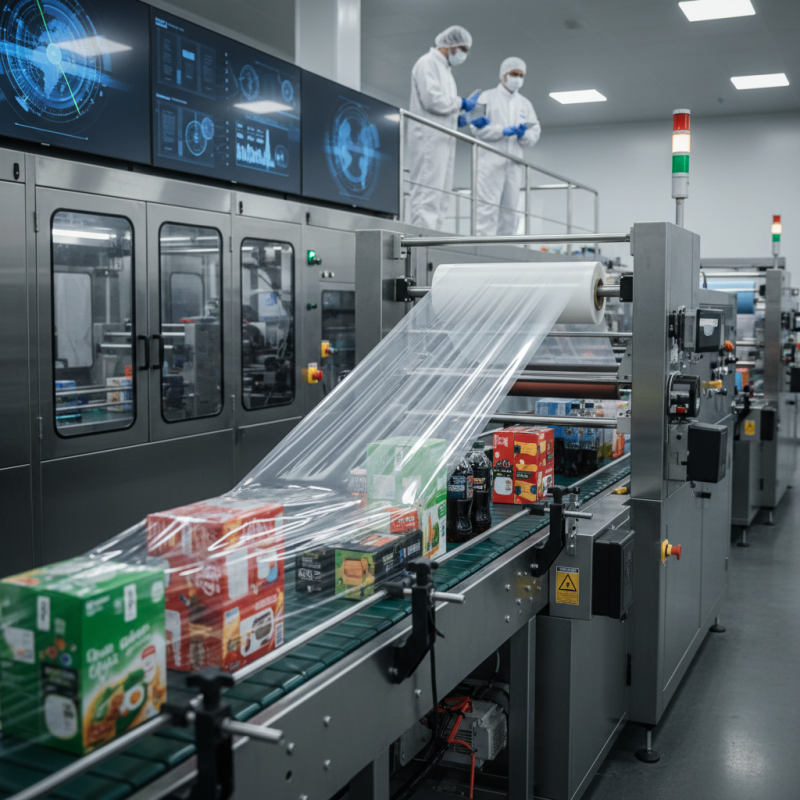
Shrink wrap is an essential component in the packaging industry, utilized for its versatility and efficiency in securing products. Understanding the different types of shrink wrap available is crucial for businesses looking to optimize their packaging solutions. There are several key types of shrink wrap, including PVC, Polyolefin, and PE, each tailored for specific applications and environmental considerations. According to a recent industry report, the global shrink wrap market is expected to grow by approximately 5% annually, driven by demand from various sectors such as food and beverage, pharmaceuticals, and retail.
PVC shrink wrap is widely used due to its cost-effectiveness and excellent clarity, making it ideal for retail packaging. However, it is less favorable in terms of environmental impact compared to Polyolefin, which is known for its durability and greater safety for food contact. Additionally, PE shrink wrap offers robust performance for palletizing and bundling, with a focus on recyclability. Each type presents unique advantages, and selecting the right one can significantly enhance product protection and brand presentation.
Tips: When choosing shrink wrap, consider the specific requirements of your product, such as size, shape, and material sensitivity. Opt for Polyolefin for food products for a safer alternative, and always evaluate the environmental impact of your packaging choices. Invest in high-quality shrink wrap machinery to ensure seamless application and cost efficiency in your packaging line.
2025 Top Shrink Wrap Types for Packaging
Key Features and Benefits of Various Shrink Wrap Materials
When it comes to selecting shrink wrap materials for packaging in 2025, understanding the key features and benefits of various types is essential. Polyolefin shrink film, for example, is prized for its clarity and durability, making it ideal for showcasing products while providing protection from dust and moisture. Its softness and flexibility allow for a snug fit around irregular shapes, ensuring items are securely packaged without compromising aesthetic appeal. This type of shrink wrap is also less prone to splitting during the heating process, enhancing its reliability for various applications.
Another popular option is PVC shrink wrap, known for its cost-effectiveness and strength. It adheres well to a wide range of products and provides excellent sealing properties, which is crucial for maintaining product freshness and prolonging shelf life. PVC shrink wrap can also be printed on, offering branding opportunities directly on the packaging itself. Additionally, its ability to shrink tightly around products ensures a polished, professional appearance that can attract customers in retail environments. Understanding these materials allows businesses to choose the right shrink wrap that aligns with their packaging needs and enhances product presentation.
2025 Top Shrink Wrap Types: What You Need to Know for Packaging - Key Features and Benefits of Various Shrink Wrap Materials
| Shrink Wrap Type |
Material Composition |
Key Features |
Benefits |
| PVC Shrink Wrap |
Polyvinyl Chloride |
High clarity, strong seal |
Cost-effective, widely used for various applications |
| PE Shrink Wrap |
Polyethylene |
Good stretchability, moderate clarity |
Environmentally friendly, recyclable, suitable for food packaging |
| PP Shrink Wrap |
Polypropylene |
High gloss, excellent printability |
Ideal for retail packaging, enhances product appearance |
| PVDC Shrink Wrap |
Polyvinylidene Chloride |
Barrier properties, strong puncture resistance |
Excellent for moisture-sensitive products |
| LLDPE Shrink Wrap |
Linear Low-Density Polyethylene |
Flexibility, superior strength |
Versatile uses, ideal for bundling products |
Applications of Shrink Wrap in Different Industries
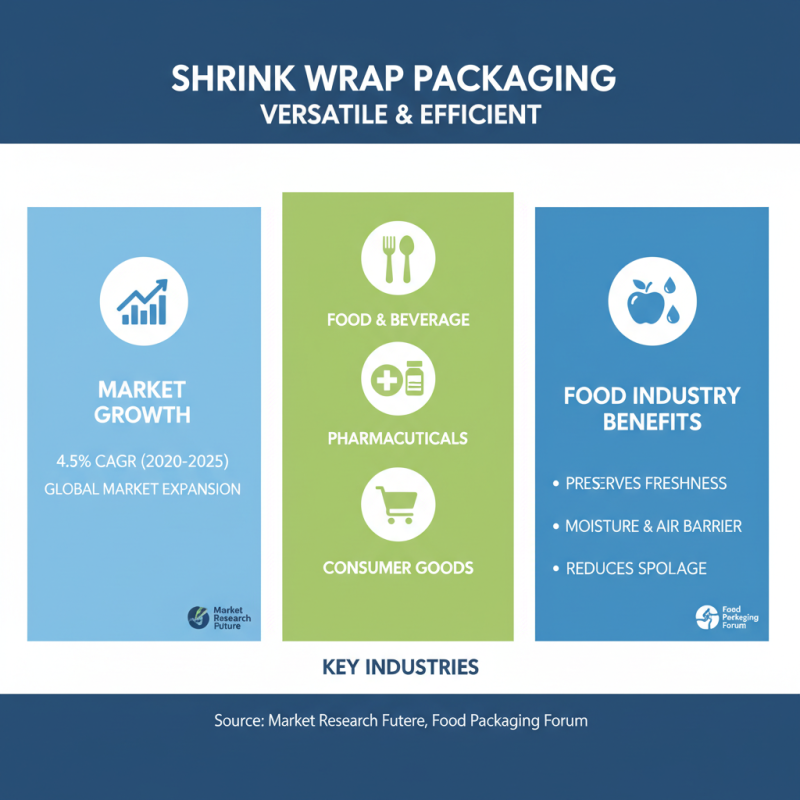
Shrink wrap, a versatile packaging solution, finds extensive applications across various industries due to its efficiency and cost-effectiveness. According to a report by Market Research Future, the global shrink wrap market is projected to grow at a CAGR of 4.5% from 2020 to 2025, reflecting increasing demand from sectors such as food and beverage, pharmaceuticals, and consumer goods. In the food industry, shrink wrap serves as a vital barrier against moisture and air, preserving product freshness while enhancing shelf life. For instance, a study by the Food Packaging Forum highlighted that shrink-wrapped products showed a significant reduction in spoilage rates, ensuring safer consumption for end-users.
In the pharmaceutical sector, shrink wrap packaging is essential for maintaining the integrity of sensitive medications. The global pharmaceutical packaging market, valued at over $80 billion by 2025, has seen a marked increase in the use of shrink wrap for secure sealing and tamper evidence. The controlled environment provided by shrink wrap helps protect products from contamination, accommodating stringent regulatory requirements. Additionally, the cosmetics industry leverages shrink wrap for attractive presentation and security, with reports indicating a rise in its application due to increasing consumer preference for visually appealing yet secure packaging. These trends underscore the increasing significance of shrink wrap across diverse industries, aligning with the evolving packaging needs of the market.
Choosing the Right Shrink Wrap for Your Packaging Project
When selecting the right shrink wrap for your packaging project, it’s essential to consider the specific requirements of your products. Different types of shrink wraps are designed for various applications, such as protecting items during transport or enhancing shelf appeal. Factors like clarity, strength, and shrink temperature play pivotal roles in determining the most suitable option. High-clarity shrink films are ideal for displaying products in a visually appealing manner, while stronger, thicker films may be necessary for heavier items or those that require additional protection.
Another crucial aspect to consider is the environmental impact of the shrink wrap materials. Biodegradable or recyclable options are becoming increasingly popular as companies strive to meet sustainability goals. It's also vital to ensure that the shrink wrap you choose is compatible with your packaging machinery. Testing the wrap during the production process can help identify any potential issues and ensure that the final packaging meets quality standards. By taking these considerations into account, you can choose the appropriate shrink wrap that not only protects your products but also enhances their marketability.
Trends and Innovations in Shrink Wrap Technologies for 2025
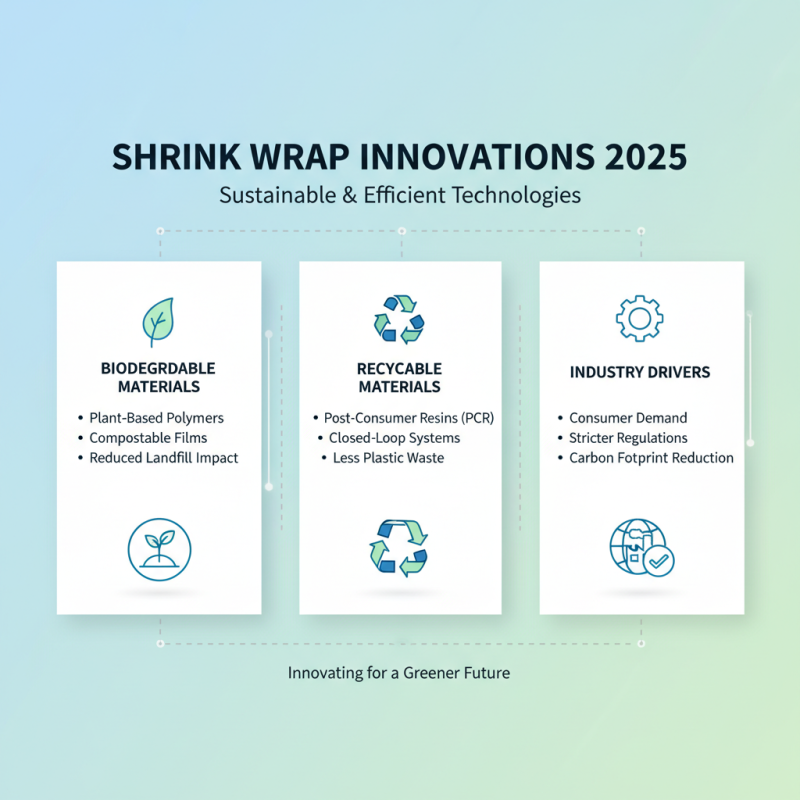
As we move into 2025, the landscape of shrink wrap technologies is evolving rapidly, driven by sustainability and efficiency. One significant trend is the increasing use of biodegradable and recyclable materials for shrink wraps. Manufacturers are responding to consumer demand for more environmentally friendly packaging solutions, leading to innovation in materials that not only perform well in terms of protection and presentation but also minimize ecological impact. These advancements are crucial as industries strive to reduce their carbon footprint and comply with stricter sustainability regulations.
Another notable innovation is the integration of smart technologies into shrink wrap applications. With the rise of the Internet of Things (IoT), packaging solutions are becoming more intelligent, incorporating features such as temperature indicators and tracking systems. These smart shrink wraps can monitor product conditions during transit, providing real-time data that helps prevent spoilage and ensures quality control. As businesses seek to enhance their supply chain efficiency, such technologies will be pivotal in maintaining product integrity and improving overall operational effectiveness.