2025 Top Trends: The Future of Plastic Bags and Sustainable Alternatives
As we look ahead to 2025, the conversation surrounding plastic bags and their impact on the environment continues to intensify. Plastic bags have long been a staple in our daily lives, offering convenience and affordability. However, their environmental repercussions cannot be ignored. With growing awareness of plastic pollution, innovations in sustainable alternatives are gaining momentum, reshaping our relationship with these ubiquitous carriers.
In this landscape, understanding the future of plastic bags involves not only recognizing their challenges but also exploring viable solutions. The transition towards sustainability is manifesting in various forms, from biodegradable materials to reusable options that challenge the status quo. As consumers become more conscientious of their choices, the demand for environmentally friendly alternatives is expected to rise. This shift not only offers a glimpse into the future but also highlights the responsibility we share in transforming our consumption habits.
By examining the emerging trends and innovations in the realm of plastic bags, we can better envision a world where these essential items are not detrimental to our planet. The path forward is filled with possibilities that balance our need for practicality with the urgency for sustainable practices, paving the way for a cleaner, greener future.
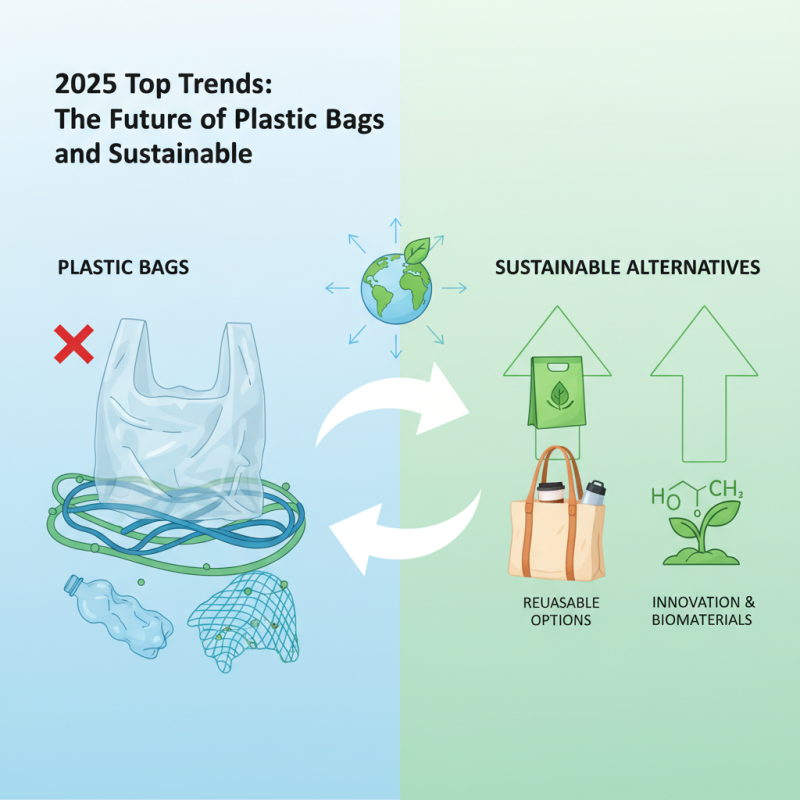
Future of Plastic Bags: Current Usage and Environmental Impact
The usage of plastic bags has seen a significant rise over the years, primarily due to their convenience and low cost. However, their environmental impact cannot be overlooked. Plastic bags contribute to pollution and pose threats to wildlife, as they often end up in oceans and natural habitats. The lightweight nature of plastic makes it easy for them to be carried away by the wind, leading to widespread litter. Additionally, the decomposition of plastic bags can take hundreds of years, leaching harmful chemicals into the soil and water during that time.
To mitigate the adverse effects of plastic bags, individuals and businesses are increasingly turning towards sustainable alternatives. Options such as reusable cloth bags, biodegradable bags, and other eco-friendly materials are gaining popularity. These alternatives not only reduce waste but also promote a more sustainable lifestyle.
**Tip:** Consider keeping a few reusable bags in your vehicle or at your doorstep to make it easier to choose eco-friendly options when shopping.
Implementing small changes in our daily habits can contribute to a larger positive environmental impact. When you avoid plastic bags, you not only reduce your carbon footprint but also encourage others to rethink their plastic usage.
**Tip:** If you're in a bind and need a bag, think about repurposing household items like totes or even old newspaper for a quick, temporary carrier.
2025 Trends in Plastic Bag Usage vs. Sustainable Alternatives
Emerging Technologies in Plastic Alternatives: Innovations to Watch
As the world increasingly shifts towards sustainability, emerging technologies in
plastic alternatives are paving the way for innovative solutions to combat environmental pollution.
Biodegradable materials, such as those derived from plant-based sources, are gaining traction as viable substitutes for traditional plastic bags.
These materials break down more quickly than conventional plastics, significantly reducing their impact on landfill and ocean waste.
Innovations in bioengineering have led to the development of polymers that can decompose naturally while providing durability and functionality comparable to synthetic options.
Additionally, advancements in recycling technologies are transforming the lifecycle of plastics.
Processes like chemical recycling allow for the breakdown of plastic waste into its original monomers, enabling the creation of new, high-quality plastic products
without the need for virgin materials. Enhanced sorting technologies and AI-driven systems improve the efficiency of recycling operations, ensuring that more plastic waste is repurposed instead of ending up in landfills.
These developments not only support sustainable practices but also foster a circular economy that minimizes resource consumption and environmental impact.
Trends in Consumer Preferences: Shifts Towards Sustainable Options
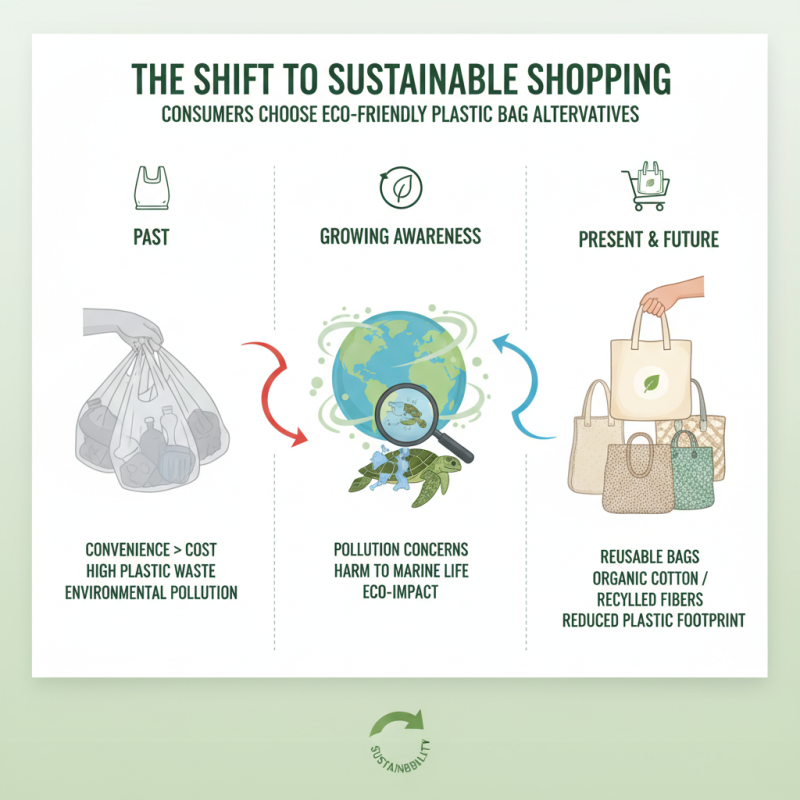
In recent years, consumer preferences have markedly shifted towards sustainable options, particularly regarding plastic bags. As awareness of environmental issues increases, shoppers are becoming more selective about their purchasing choices, favoring products that are eco-friendly and contribute to a reduction in plastic waste. This trend is fueled by growing concerns over pollution and the detrimental impact of conventional plastic bags on marine life and ecosystems. More consumers are actively seeking alternatives such as reusable bags, made from materials like organic cotton or recycled fibers, that not only serve their purpose but also align with their values of sustainability.
Additionally, this shift in consumer behavior is prompting retailers to adapt their strategies to meet the new demand. Many are revising their offerings and adopting policies that encourage the use of sustainable alternatives. For instance, stores are increasingly promoting bag-free shopping options, incentivizing customers to bring their own bags or providing biodegradable options at the checkout. This transition not only reflects a changing consumer landscape but also represents a proactive step towards reducing the environmental footprint of shopping habits. As this trend continues to evolve, it is clear that the future of plastic bags will be determined by consumer preferences and their growing commitment to sustainability.
Legislative Changes: Policies Shaping the Future of Bag Usage
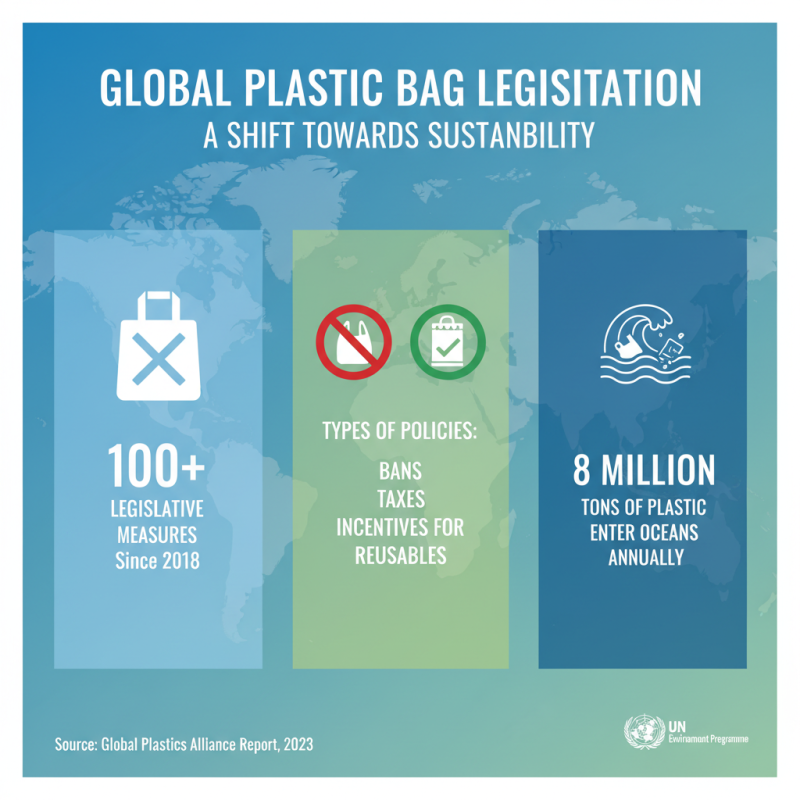
The landscape of plastic bag usage is undergoing a significant transformation, driven by legislative changes aimed at enhancing sustainability. According to a recent report by the Global Plastics Alliance, governments around the world have enacted over 100 legislative measures concerning plastic bags since 2018. These measures range from outright bans on single-use plastic bags to taxes and incentives for adopting reusable alternatives. Such policies are essential in mitigating plastic pollution, which contributes to an estimated 8 million tons of plastic entering oceans annually, as highlighted by the United Nations Environment Programme.
In the United States, states like California and New York have pioneered bag legislation that not only restricts plastic bag usage but also promotes the adoption of eco-friendly alternatives. A 2022 study from the Environmental Protection Agency indicates that reusable bags, when used consistently, can significantly reduce the carbon footprint associated with bag consumption. The trend is mirrored globally, with countries such as Kenya implementing strict penalties for plastic bag usage, reportedly reducing plastic bag distribution by over 80% since the ban took effect.
As consumers become increasingly aware of environmental issues, the demand for sustainable alternatives is expected to grow. According to market research by Statista, the global reusable bag market is projected to reach $12 billion by 2025, reflecting a shift in consumer behaviors influenced by legislative frameworks. These policies not only encourage businesses to innovate but also pave the way for a sustainable future where plastic bags may become a rarity rather than the norm.
Market Dynamics: Key Players and Economic Considerations in 2025
As we move towards 2025, the landscape of plastic bag usage is evolving, shaped by market dynamics and economic considerations. Key players in this industry are increasingly adopting sustainable alternatives in response to growing consumer demand for eco-friendly products. This shift is driven by heightened awareness of environmental issues and the pressure on businesses to comply with stricter regulations regarding plastic waste.
Companies are focusing on innovations such as biodegradable materials, reusable bags, and advancements in recycling technologies. Investment in research and development is crucial for meeting the needs of an environmentally conscious market. Collaboration with environmental organizations and participation in sustainability initiatives can enhance brand reputation and drive consumer loyalty.
**Tips:** 1. Consider exploring local regulations that affect plastic bag usage in your area, as these can impact your business operations. 2. Implementing a take-back program for reusable bags can foster customer engagement and promote sustainability. 3. Educate your customers about the benefits of switching to sustainable alternatives, as informed consumers are more likely to make eco-friendly choices.
2025 Top Trends: The Future of Plastic Bags and Sustainable Alternatives
| Trend |
Impact |
Market Share (%) |
Growth Rate (%) |
Key Considerations |
| Biodegradable Bags |
Reduced environmental impact |
25 |
15 |
Material sourcing, cost |
| Reusable Bags |
Consumer acceptance increasing |
35 |
10 |
Durability, design |
| Plastic Bag Bans |
Regulatory pressure |
15 |
20 |
Compliance costs |
| Edible Bags |
Innovative solution |
5 |
30 |
Production scalability |
| Recycled Plastic Use |
Circular economy approach |
20 |
12 |
Quality control, supply chain |