What Are the 2026 Top Polybag Packaging Types for Buyers?
In 2026, buyers will evaluate polybag packaging beyond price and basic appearance. Material choice, sealing performance, product protection, and verified sustainability claims will shape purchasing decisions. A thin mailer may look efficient, yet it can fail under sharp edges, cold storage, or repeated handling.
Alison Keane, President and CEO of the Flexible Packaging Association, has said, “Flexible packaging is lightweight, resource efficient, and versatile.” That principle remains useful when comparing polyethylene mailers, recycled-content polybags, resealable bags, gusseted bags, wicketed bags, and specialty anti-static formats. Each type solves a different operational problem. None is perfect.
A buyer handling folded apparel may prefer a clear resealable bag with a secure adhesive strip. A warehouse shipping small hardware might need a stronger gusseted polybag. E-commerce teams often value lightweight mailers, but tear resistance still matters at the distribution center. Small details matter.
This guide examines the leading polybag packaging types expected to attract buyer attention in 2026. It considers film strength, closure design, visibility, printing, automation compatibility, and end-of-life options. It also questions popular assumptions. “Compostable” does not automatically mean suitable for every disposal system. Recycled content may affect clarity or sealing consistency.
Reliable decisions require samples, test runs, supplier documentation, and realistic handling trials. Ask for measurable specifications, not vague promises. Check thickness, tensile strength, seal quality, and applicable food-contact or product-safety requirements. The right format protects products, controls costs, and supports credible sustainability goals. Sometimes, the simplest bag performs best.
Polybag Packaging Basics and Key Buyer Requirements
What Are the 2026 Top Polybag Packaging Types for Buyers?
Polybag Packaging Basics and Key Buyer Requirements
In 2026, buyers will compare more than price and appearance. They will assess material, protection, sealing, and end-of-use options. Low-density polyethylene offers flexibility and clear product visibility. High-density polyethylene provides a firmer feel and stronger puncture resistance. Recycled-content polybags can reduce virgin plastic use, but buyers should request verified material data. Compostable options may suit specific applications, yet they often require controlled composting facilities. Availability remains uneven.
A buyer should define the product’s weight, edges, moisture exposure, and storage conditions before choosing a bag. Film thickness matters. A thin bag may reduce cost, but it can split during packing or transport. A thicker bag is not automatically better. It may waste material and increase shipping volume. Check seal strength, opening style, dimensions, transparency, and print requirements with production samples. Request testing records for tensile strength, drop performance, and seal integrity. Packaging specifications should be written clearly, including acceptable size and thickness limits. Small wording gaps can create large production problems.
Tips:
Order samples before approving volume production. Test filled bags, not empty ones. Check seals after stacking for 24 hours. Ask for recycled-content evidence when environmental claims matter. Avoid choosing compostable film without confirming suitable local facilities. Review the decision again; the cheapest option may become expensive after returns, damage, or repacking.
Top Polybag Types Expected to Lead the 2026 Market
In 2026, buyers will likely favor mono-material polyethylene polybags for everyday packaging. Their simple material structure can support more consistent sorting and recycling. Yet recyclability depends on local collection systems, film design, and contamination levels. Packaging teams should verify film grade, seal strength, print coverage, and recovery routes before ordering. A clear bag with a reliable bottom seal still matters.
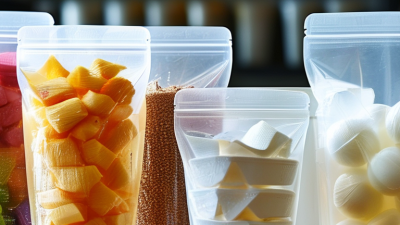
Resealable zip polybags are expected to lead in apparel, accessories, bedding, and small household goods. They protect products during storage and give customers a practical opening experience. Hang holes, tear notches, and adjustable dimensions can improve warehouse handling. Recycled-content polybags will also attract buyers seeking lower virgin plastic use. However, recycled film may vary in clarity, odor, or tensile performance. That is easy to miss. Buyers should test samples through packing, transport, and repeated opening cycles.
Compostable polybags may serve selected applications, especially where suitable collection facilities exist. They are not automatically better for every buyer. Humidity, storage time, and sealing temperature can affect their performance. Perforated and vented formats will remain useful for moisture-sensitive products and controlled airflow. High-volume buyers should compare usable film area, closure consistency, defect rates, and unit cost. The lowest quote may hide slower packing or more product returns. Factory trial data often reveals problems that specifications overlook.
Material, Size, Closure, and Protection Options Compared
What Are the 2026 Top Polybag Packaging Types for Buyers?
Material, Size, Closure, and Protection Options Compared
In 2026, buyers are choosing polybags by application, not appearance alone. Low-density polyethylene offers flexibility for garments, textiles, and soft products. High-density polyethylene feels stiffer and suits lighter goods needing easier stacking. Recycled-content film can reduce virgin plastic use, but its clarity and strength may vary. I have seen attractive samples tear during ordinary warehouse handling. Material choice is a trade-off. Always request specifications, test reports, and production samples before approval.
Size affects protection, presentation, and packing speed. A bag should fit the product without excessive empty space. Too much film creates movement and weakens shelf presentation. Closures include adhesive flaps, zip tracks, drawstrings, and heat seals. Adhesive flaps support fast manual packing, while zippers allow repeated access. Heat seals provide a firm closure when tamper resistance matters. For delicate items, buyers can consider thicker film, corner reinforcement, anti-static treatment, perforation, or cushioning inserts. Clear film improves inspection, though glare can be inconvenient under bright warehouse lights.
Tips: Measure the packed product, not the loose product. Test closure strength after transport simulation. Check odor, film consistency, and seal performance. Ask whether recycled content changes flexibility. My own preference is a simple sample trial with real products, because laboratory results rarely show every packing mistake. Don’t skip that trial.
Selecting the Best 2026 Polybag Type for Your Application
What Are the 2026 Top Polybag Packaging Types for Buyers?
Selecting the Best 2026 Polybag Type for Your Application
Choosing a polybag should begin with the product, not the material trend.
LDPE bags suit soft garments, irregular parts, and products needing flexibility.
HDPE bags offer higher stiffness and a crisp handling feel. For sharper items, thicker film may reduce puncture failures. Small details matter.
Smithers’ The Future of Global Flexible Packaging to 2028 reports steady market growth, while material efficiency remains a key purchasing factor. That does not make every thin bag a better choice. A lighter gauge can lower material use, but it may increase tears, returns, and repacking labor. I have seen buyers focus on price first, then discover weak seals during warehouse handling.
For moisture-sensitive goods, multilayer polybags can improve barrier performance. However, mixed structures may complicate recycling. Recyclable mono-material PE options deserve closer testing when barrier needs are moderate. Compostable films may fit controlled disposal systems, but they require clear infrastructure and correct labeling. The OECD’s Global Plastics Outlook found that only
9% of plastic waste was recycled globally in 2019. That figure should encourage practical design, not vague environmental claims.
Ask for seal-strength, drop, puncture, and gauge-tolerance data. Test filled bags in real temperatures and transport conditions. Confirm applicable food-contact, labeling, and recycling requirements for each market. A clear bag is not always the best bag. Sometimes, the “sustainable” option performs poorly.
Recheck the decision.