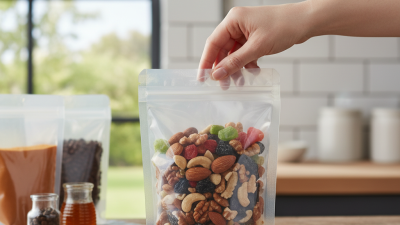
Choosing the right pouch packaging in 2026 will require more than comparing prices or copying popular designs. Buyers must examine product protection, filling equipment, shelf presentation, transportation conditions, and end-of-life options. A pouch that performs well for roasted coffee may fail for liquid soap or frozen vegetables.
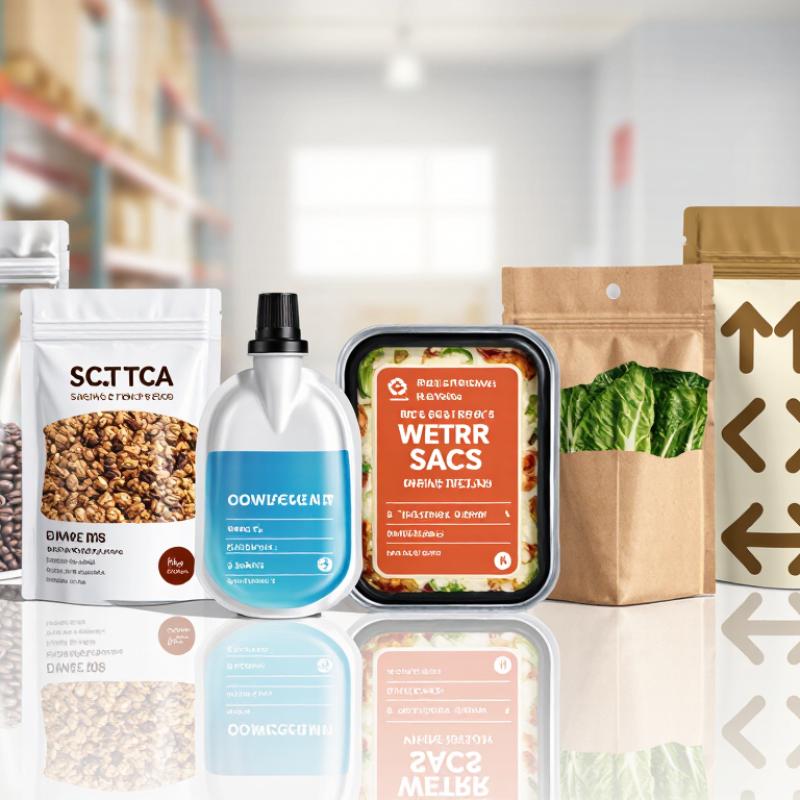
This guide introduces the leading pouch packaging types expected to attract buyer attention, including stand-up pouches, flat pouches, spouted pouches, retort pouches, paper-based structures, and recyclable mono-material formats. Each type offers practical advantages. Stand-up pouches improve shelf visibility. Spouts support controlled pouring. Retort formats withstand heat processing. Paper-based options can strengthen a natural brand image, but their barrier performance needs careful verification.
Performance matters most.
Experienced packaging teams usually request technical data before approving a supplier. They review oxygen transmission, moisture resistance, seal strength, puncture performance, filling speed, and compatibility with existing machinery. They also inspect printed samples under real warehouse lighting. Small details matter, such as zipper alignment, corner strength, and whether the pouch remains stable after opening.
Sustainability claims deserve caution. “Recyclable” may depend on local collection systems, material specifications, and actual facility capabilities. Buyers should ask for test reports, certifications, food-contact documentation, and clear recycling guidance. No single format fits every product. This article therefore compares pouch packaging types through practical buyer criteria, while acknowledging an uncomfortable truth: packaging decisions often involve compromises between protection, cost, convenience, and environmental goals.
Pouch Packaging: Definition, Structure, and Core Functions
Pouch packaging is a flexible container made from layered film or a single engineered material. It holds products while reducing weight, storage space, and transportation volume. A typical pouch includes an outer printed layer, a barrier layer, and an inner sealing layer. Each layer has a different job. The outer surface supports handling and information. The barrier layer limits oxygen, moisture, light, or odors. The inner layer contacts the product and forms a secure seal.
Small details matter. A zipper improves repeated access, while a spout supports controlled pouring. Stand-up pouches suit products displayed upright on shelves. Flat pouches use less material and fit compact items. Retort pouches withstand heat processing when their structure is properly tested. For 2026 purchasing plans, mono-material pouches may attract buyers seeking simpler material streams, but their performance depends on barrier design and local recycling systems.
A reliable buyer should review the complete structure, not only the artwork. Request seal-strength data, drop-test results, barrier measurements, and migration documentation for the intended product. Check whether the pouch remains stable after filling, transport, and storage. A practical trial often reveals weaknesses that samples hide. Looks can mislead. A thin pouch may lower costs but fail under sharp contents or high filling pressure. Even experienced teams can overestimate recyclability claims. Packaging choices need product testing, clear specifications, and honest review of real disposal conditions.
A practical comparison of widely used pouch formats based on their core packaging functions. Scores use a 1–5 functional scale and are intended as a buyer selection reference, not market-share data.
Stand-up pouches provide strong shelf presentation and efficient storage. Flat pouches are lightweight and economical for single-use products. Side-gusset pouches offer higher capacity, while spouted pouches support controlled liquid dispensing. Retort pouches are designed for heat-processed foods and require specialized high-barrier structures.
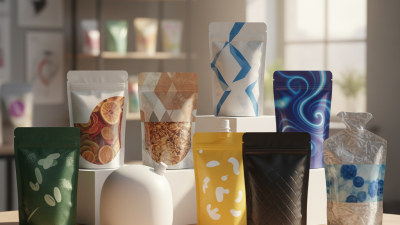
Stand-up pouches are expected to lead the 2026 market because they use shelf space efficiently and support strong visual presentation. Their flat base improves stability during transport and retail display. Buyers can select resealable zippers, tear notches, or handles based on product use. A pouch should open cleanly, not collapse after one use.
Flat pouches will remain important for lightweight products and single-use portions. They need less material and fit efficiently into cartons. However, their limited volume can restrict some product categories.
Spouted pouches are also gaining attention for liquid foods, household products, and other controlled-pour applications. Their caps must resist leakage after repeated opening. Small details matter.
Retort pouches are likely to serve shelf-stable products where heat processing is required. They need carefully tested seals, barrier layers, and filling-line compatibility. Mono-material recyclable pouches may attract more buyers as packaging goals become stricter. Their performance can still vary across products and recycling systems. Forecasts are not guarantees.
Experienced buyers should compare drop tests, seal-strength data, oxygen and moisture barriers, and storage conditions. Supplier consistency matters as much as the printed design. Ask for production samples before approving large volumes. A pouch may look excellent on a screen but fail during filling or transport. That lesson is easy to overlook. Efficient packaging is not automatically reliable packaging.
In 2026, stand-up pouches remain practical for snacks, pet food, powders, and household products. Their flat bottoms improve shelf stability and reduce storage space. Polyethylene and polypropylene structures offer flexible sealing and good moisture resistance. Dry products often need moisture protection more than oxygen protection. A metallized layer can improve both, but it may reduce recyclability. Buyers should check seal strength, puncture resistance, and filling-line performance before choosing a film.
Coffee, roasted nuts, and sensitive powders usually require stronger oxygen and aroma barriers. Aluminum foil provides excellent protection from light, oxygen, and moisture. Metallized polyester offers a lighter alternative, though barrier performance can vary after bending. For sauces, purees, and liquid detergents, spouted pouches need reliable leak control. Multi-layer films often support this demand. The nozzle, cap, and heat seal must be tested together.
Retort pouches suit shelf-stable meals and other heat-processed foods. They need structures that withstand high temperatures without delamination. Frozen products need flexible films that resist cracking during cold storage. Paper-based pouches can improve the natural appearance of dry goods, but their barrier depends heavily on coatings and inner layers. Mono-material PE or PP options may simplify recycling systems, yet they can sacrifice stiffness or oxygen protection. No structure wins every test. In practical evaluations, buyers should compare oxygen transmission, water vapor transmission, drop resistance, and real filling conditions. A laboratory result alone can mislead.
In 2026, buyers will compare more than pouch appearance. Stand-up pouches suit dry foods, snacks, and household products because shelves display them clearly. Flat pouches reduce material use and shipping volume. Spouted pouches improve controlled dispensing. Retort pouches require stronger barrier structures and precise heat-seal performance. Sachets remain useful for samples, single servings, and controlled portions.
Market evidence supports this category’s importance. The Flexible Packaging Association reported approximately 39.8 billion dollars in U.S. flexible packaging sales in 2023. PMMI’s 2024 flexible packaging assessment also identifies convenience, lightweighting, and production efficiency as key purchasing drivers. These figures do not make every pouch suitable. A buyer should match the format with product moisture, oxygen sensitivity, filling temperature, drop risk, and expected shelf life. Small details matter. A sharp corner can damage cartons.
Supplier comparison requires measurable evidence. Request material specifications, migration documentation, seal-strength results, barrier test data, and batch traceability. Ask whether the supplier can run your actual product, not only water or empty samples. Compare minimum order quantities, tooling costs, lead times, defect records, and corrective-action procedures. Packaging recyclability claims need careful checking against the full structure and local collection systems. Smithers’ flexible packaging forecasts emphasize sustainability pressure, but practical recycling access remains uneven.
The lowest quoted price can hide higher waste. It can also reflect thinner material and weaker seals. Buyers should test filled pouches through transport simulation, stacking, leakage checks, and accelerated shelf-life studies. A perfect comparison rarely exists. Select the supplier that documents limits honestly, responds quickly, and can repeat quality across production batches.
| Pouch Format | Typical Capacity Range | Best-Suited Products | Barrier and Protection | Convenience Features | Production and Filling Considerations | Material and End-of-Life Considerations | Key Supplier Checks for Buyers |
|---|---|---|---|---|---|---|---|
| Stand-Up Pouch | Approximately 100 g to 5 kg, depending on gusset design and product density | Dry foods, pet food, snacks, powders, detergents, personal-care products, and household products | Can be produced with moisture, oxygen, aroma, light, and grease barriers. The required barrier depends on the product and shelf-life target. | Usually supports a zipper, tear notch, handle, rounded corners, and optional window | Suitable for both pre-made pouch filling and form-fill-seal lines. Bottom and side-gusset dimensions should be tested with the buyer’s filling equipment. | Common structures include PE, PP, polyester, metallized films, and foil laminates. Mono-material PE or PP may be recyclable where collection and sorting systems accept it. | Request filled-pouch stability tests, zipper-cycle testing, seal-strength data, drop testing, odor-control data, and evidence that the pouch runs at the required filling speed. |
| Flat Pouch / Three-Side-Seal Pouch | Approximately 5 g to 500 g; larger formats are possible but may need additional reinforcement | Single-serve snacks, sauces, samples, medical products, wipes, powders, and lightweight dry goods | Provides efficient protection when the correct laminate and sealant are selected. The flat structure has limited resistance to bulky or sharp products. | Can include tear-open construction, easy-open laser scoring, hang holes, spouts, or resealable closures | Uses relatively low material volume and packs efficiently. Seal contamination from powders, sauces, or oils must be controlled during filling. | Often made from laminated film for high barrier. Recyclability depends on the final structure, local infrastructure, and whether the pouch contains incompatible layers. | Compare seal-window performance, opening force, leak rate, print registration, film thickness tolerance, and the supplier’s ability to maintain consistent small-format dimensions. |
| Flat-Bottom / Box Pouch | Approximately 250 g to 5 kg | Coffee, pet food, grains, seeds, snacks, powders, and other products that benefit from shelf presence | Can provide strong oxygen, moisture, aroma, and light protection when made with an appropriate multilayer structure. The bottom seal must withstand product load. | Often available with a zipper, degassing valve, handle, tear notch, and large printable panels | Offers good shelf stability and efficient pallet use, but forming and sealing can require more specialized machinery than a simple flat pouch. | Commonly uses laminated films. A one-piece mono-material version may improve recyclability potential, but the result depends on barrier requirements and local recycling rules. | Ask for bottom-load testing, shelf-standing tests, valve performance where applicable, dimensional tolerances, palletization plans, and machine compatibility data. |
| Side-Gusset Pouch | Approximately 500 g to 10 kg | Coffee, pet food, flour, rice, animal feed, powders, and high-volume dry products | Can be designed for high moisture, oxygen, aroma, and grease protection. Large packs require strong seams and reliable top closures. | May include a zipper, tin tie, valve, handle, tear-open top, or recloseable seal | Provides high volume and efficient packing, but gusset formation and filling alignment must be controlled to prevent uneven loading and seal stress. | Frequently uses paper-plastic, polyester-based, PE-based, or foil-containing laminates. Recycling options vary significantly by structure and market. | Compare seam strength, top-closure durability, valve performance, filling-line speed, pack compression results, and the supplier’s experience with heavy products. |
| Spouted Pouch | Approximately 80 ml to 2 L; larger sizes are possible for selected applications | Juices, sauces, baby-food products, liquid detergents, personal-care liquids, concentrates, and refill products | Can provide liquid containment and oxygen or light protection. The spout-to-film connection is a critical leak-risk area. | Supports screw caps, flip caps, tethered caps, wide openings, handles, and controlled dispensing | Requires accurate spout insertion or pre-made pouch handling. Liquid filling, cap torque, leak testing, and sterilization requirements must be defined before production. | Often uses multilayer films with PE or PP components. Recycling potential depends on the pouch film, spout, cap, adhesives, and local sorting and recycling capability. | Request cap-torque specifications, leak and burst test results, inverted-storage testing, migration documentation when relevant, and compatibility with hot-fill or pasteurization processes. |
| Retort Pouch | Approximately 100 g to 1.5 kg | Ready meals, soups, sauces, seafood, meat products, and shelf-stable wet foods | Designed for thermal processing at commonly specified retort conditions. It requires strong heat seals, puncture resistance, and controlled oxygen and moisture transmission. | May include easy-open notches, rounded corners, gussets, and limited reclosure options after opening | Must be validated for the intended retort temperature, time, pressure, product acidity, filling weight, and headspace. Seal contamination and delamination are major quality risks. | Traditionally uses multilayer high-barrier structures, sometimes including aluminum foil. Recycling is challenging when layers cannot be separated or when suitable collection systems are unavailable. | Verify retort validation, seal-integrity testing, delamination resistance, migration compliance, shelf-life data, product-specific process conditions, and traceability of production batches. |
| Vacuum Pouch | Approximately 100 g to 5 kg | Fresh meat, seafood, cheese, processed foods, coffee, and products requiring reduced air exposure | Designed to minimize residual air and can provide high oxygen and moisture protection. Puncture resistance is essential for products with bones, shells, or hard edges. | Can include easy-open seals, high-clarity film, shrink properties, and rounded corners | Requires compatibility with vacuum-chamber or nozzle-type equipment. The pouch must retain seal integrity after air removal and product handling. | Common structures include PE-based films and multilayer barrier films. Recyclability depends on the polymer combination, barrier layer, additives, and local infrastructure. | Compare puncture resistance, vacuum retention, seal strength after refrigeration or freezing, shrink performance, film clarity, and compatibility with the buyer’s vacuum equipment. |
| Paper-Laminated Pouch | Approximately 50 g to 2 kg | Dry foods, bakery products, snacks, coffee, powders, and products seeking a paper-based visual appearance | Paper provides stiffness and a natural appearance, while the inner film or coating supplies heat sealing and the required moisture or grease barrier. | Can include tear notches, zippers, windows, valves, and printed paper surfaces | Usually requires controlled sealing temperatures and pressure because the paper outer layer and inner sealant behave differently during conversion and filling. | Recyclability depends on the percentage and type of plastic, coatings, inks, adhesives, and the local paper-recycling rules. A paper-look pouch is not automatically recyclable as paper. | Request the exact layer structure, fiber and plastic percentages, repulpability or recyclability evidence, coating specifications, moisture-barrier data, and disposal guidance for the target market. |

In 2026, pouch selection starts with the product, not a trend. Buyers should match barrier performance, filling conditions, shelf life, and disposal realities. A dry snack may need moisture protection, while oily foods demand stronger seal resistance. Liquid products require reliable leak control and drop testing. Small details matter. Ask suppliers for test data, migration statements, and samples from actual production runs. Lab samples can look perfect. Factory results may differ.
Sustainability claims need careful checking. A mono-material pouch may simplify recycling, but local collection systems may not accept it. Recycled content can reduce virgin plastic use, yet it may affect clarity, odor, or sealing consistency. Compostable structures sound attractive, but they need suitable facilities and verified storage conditions. Do not select by label alone. Measure material weight, production waste, transport volume, and end-of-life options in the target market.
Customization also affects cost. Printed graphics, special finishes, zippers, spouts, and unusual shapes can increase tooling expenses or minimum-order requirements. A narrower color range may lower setup waste. Standard dimensions often improve lead times. However, cheaper packaging can create higher filling losses or customer complaints. I have seen buyers focus on unit price and overlook seal failures. That decision rarely stays cheap. A better review includes performance, appearance, production speed, and realistic disposal options. Some assumptions will still be wrong. Recheck them before scaling.
Interested in working with our team? Reach out to our team for a no-strings-attached consultation.
1 (833) PPC-FLEX
1111 Busch Pkwy
Buffalo Grove, IL 60089, USA