
In the world of printing, UVLED Flatbed Printing is gaining popularity for good reasons. This technology offers unique advantages that can transform various industries. From signage to packaging, its applications are broad and impactful.
One key benefit is the ability to print on a variety of surfaces. UVLED Flatbed Printing can accommodate wood, glass, metal, and more. This flexibility opens up endless design possibilities for businesses. Additionally, the vibrant colors produced by this method attract customers.
Sustainability cannot be overlooked either. UVLED printing systems use less energy and produce fewer VOCs than traditional printing. However, some may question the initial investment costs. It's essential to weigh the long-term savings against the upfront expenses. Overall, the potential of UVLED Flatbed Printing is worth exploring.
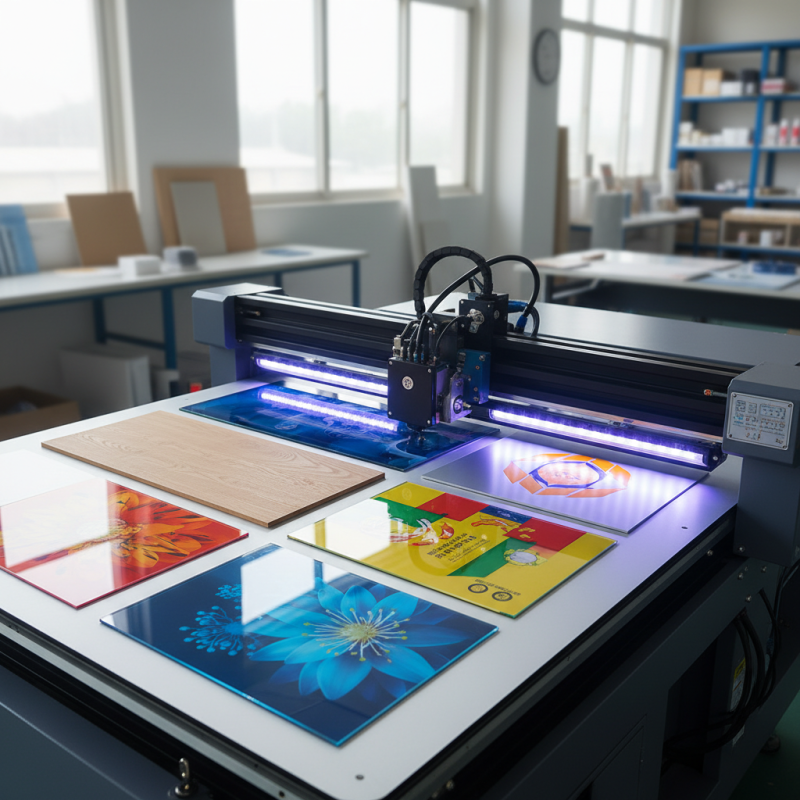
UVLED flatbed printing offers unique advantages across various materials. This technology uses ultraviolet light to cure the ink instantly, providing durable and vibrant prints. It works well on surfaces like wood, glass, metal, and plastics, which makes it versatile for different applications. Each material interacts differently with UVLED, enhancing creativity in design projects.
Tips for optimal results include testing your materials beforehand. Some surfaces may require a primer for better adhesion. Additionally, monitor the curing time to avoid issues like smudging, especially on non-porous materials. A well-prepared surface leads to higher quality prints.
When working with new materials, be aware of potential challenges. Certain plastics can warp or discolor under UV light. It’s essential to research and experiment. This approach will minimize errors and improve final outcomes. Flexibility in your technique can yield surprising and remarkable prints.
When it comes to UVLED flatbed printing, enhanced print quality stands out as a key benefit. This technology delivers remarkable clarity and vibrancy. The prints are sharp, with intricate details that would be unachievable through traditional methods. Rich colors pop on the surface, offering an enticing visual experience.
However, achieving consistency in clarity can sometimes be challenging. Environmental factors play a role. Humidity and temperature may affect the final output. Regular calibration and maintenance of the printer are essential. Understanding these variables can help ensure optimal results.
Moreover, while the vibrancy of colors is impressive, it can also lead to over-saturation if not monitored. Artists and designers need to strike a balance. They should aim for authenticity without losing the essence of their work. This journey of refinement is crucial for truly captivating prints that resonate with audiences.
UVLED printing technologies have gained attention for their eco-friendly aspects. This type of printing uses ultraviolet light to cure ink instantly. As a result, the process emits fewer volatile organic compounds (VOCs). This reduction directly benefits the environment. Fewer emissions mean better air quality. Additionally, UVLED inks are often free from harmful substances like solvents.
The durability of UVLED prints also contributes to sustainability. They withstand harsh conditions, reducing the need for reprints. This longevity translates into less waste in the long run. However, the extensive energy use during the initial setup can be a cause for reflection. Every technology has its trade-offs. The challenge lies in optimizing energy consumption while enjoying the benefits.
Another notable aspect is the ability to print on various surfaces. From wood to metal, UVLED printing offers versatility. This adaptability can reduce waste from excess material. Yet, some materials may not respond well to UV light. Exploration and experimentation are necessary to find the right combinations. It’s crucial to ask whether all surfaces should utilize this technology without considering potential challenges.
UVLED flatbed printing is redefining the printing landscape. A major advantage lies in its cost-effectiveness. By minimizing waste and optimizing production time, it transforms traditional methodologies. According to a report from a leading market analysis firm, using UVLED technology can reduce material waste by up to 30% compared to conventional printing methods. This reduction not only lowers costs but also enhances overall production efficiency.
Efficiency is crucial. With rapid curing times, UVLED printers can produce a higher output in less time. Some studies suggest that these systems can decrease production duration by as much as 50%. However, realizing these benefits requires careful planning and investment. Businesses need to assess whether their current setup aligns with the advantages of UVLED.
Tips: Consider the specific needs of your project before switching. Are you focused on speed or quality? Mixing print speeds can lead to confusing outcomes. Always maintain a balance in your approach to make the most of your investment. Remember, evaluating your results regularly can help you fine-tune your processes to avoid potential pitfalls.
| Benefit | Description | Impact |
|---|---|---|
| Cost-Effectiveness | Minimizes material waste with precise ink application. | Reduces production costs. |
| Faster Turnaround | Enables quicker setup and print times compared to traditional methods. | Improves efficiency and customer satisfaction. |
| Versatility | Works on various substrates, including wood, acrylic, and metals. | Broadens market opportunities. |
| Eco-Friendly | Uses low-VOC inks and reduces energy consumption. | Supports sustainable printing practices. |
| High Quality | Produces sharp images with vibrant colors and excellent detail. | Enhances product appeal. |
UVLED flatbed printing offers remarkable versatility, making it suitable for various applications. This printing method allows for direct printing on different materials, such as wood, glass, and metal. With such adaptability, businesses can easily cater to a broader audience. Custom signage is a prime application, as vibrant colors and sharp details can attract more customers. It’s intriguing how this technology can turn basic materials into stunning visual pieces.
Moreover, custom products become an area of endless creativity. Personalized gifts are increasingly popular, and UVLED printing has opened the door for unique designs. Imagine a family photo on a wooden plaque or a branded logo on a metal bottle. Each piece feels special and reflects individual preferences. However, achieving perfect results requires attention to detail. Color matching can sometimes be challenging, leading to unexpected results. This imperfection can serve as a learning opportunity for businesses looking to improve their craft.
The flexibility in design also extends to packaging. Innovative brands use UVLED flatbed printing to create eye-catching product packaging that stands out on shelves. The potential seems limitless, yet the challenge remains in experimenting with various materials and finishes. Not every combination yields desirable results, making each project a valuable lesson in design and adaptability.
Interested in working with our team? Reach out to our team for a no-strings-attached consultation.
1 (833) PPC-FLEX
1111 Busch Pkwy
Buffalo Grove, IL 60089, USA