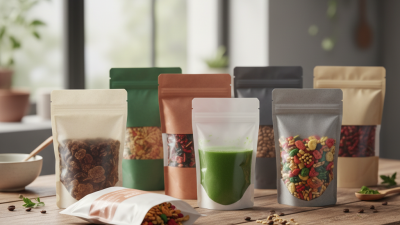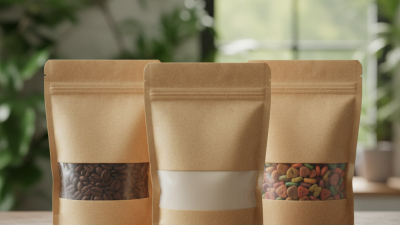
Choosing the right custom stand up pouches can shape how customers see, use, and remember your brand. The pouch is not only a printed package. It must protect the product, support efficient filling, and remain practical on a busy shelf or kitchen counter.
In packaging projects, small details often create major problems. A zipper may feel premium but fail when powder enters the seal area. A glossy film may improve shelf appeal but reveal scratches during transport. Pouch size, spout position, gusset depth, material structure, and seal strength should match the product and filling process. Liquid, coffee, snacks, pet food, and personal care items can require very different barrier and closure choices.
Test before committing.
Reliable suppliers should provide material specifications, food-contact documentation where applicable, production samples, and clear quality procedures. Ask how the pouch performs after heat sealing, stacking, shipping, and repeated opening. A practical trial with your actual product is more useful than a beautiful sample filled with air. I have seen brands choose a lower-cost structure, then face odor transfer, weak seals, or difficult recycling claims. The cheaper option was not truly cheaper.
Sustainability also needs careful judgment. A recyclable design may require suitable local collection systems, while a high-barrier laminate may protect sensitive products better and reduce product waste. Neither choice deserves automatic praise. Compare performance, end-of-life options, supplier transparency, and customer expectations. With measurable testing and honest review, custom stand up pouches can become a dependable part of your brand strategy rather than a decorative afterthought.
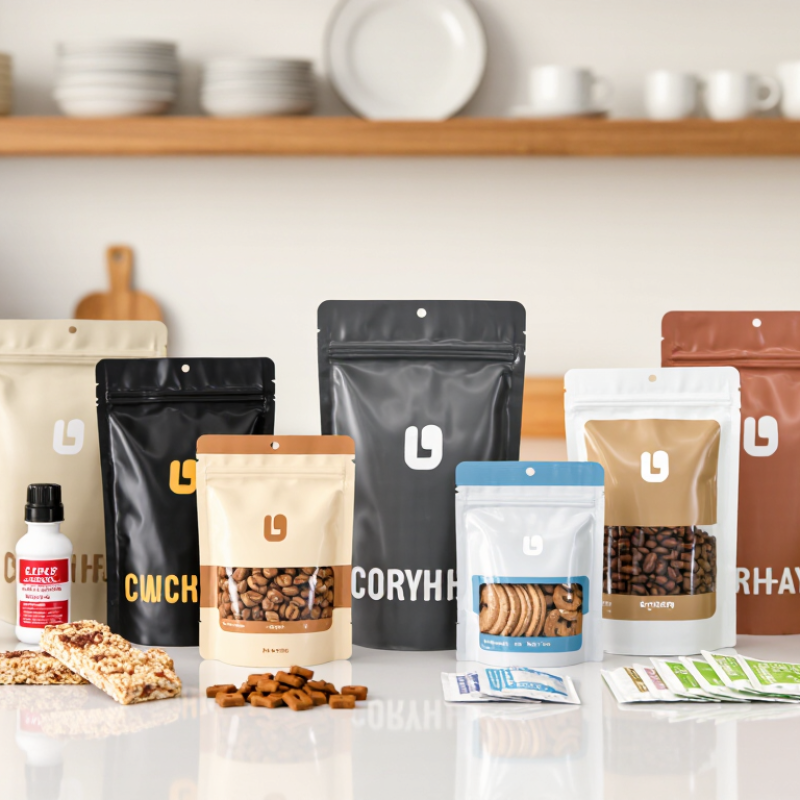
Before choosing a custom stand up pouch, define what the product demands. A roasted snack needs oxygen and moisture protection. A powdered drink mix may need stronger seals and controlled filling. Liquid products require leak resistance, suitable spouts, and reliable seal testing. Write down the fill weight, serving size, storage temperature, and expected shelf life. These details guide pouch dimensions, film structure, and closure selection. Do not estimate from appearance alone. A pouch that looks spacious may leave too much headspace.
Consider how customers will open and reuse the package. A wide zipper can help with dry goods, while a tear notch supports quick access. For greasy or dusty products, test whether the zipper still closes cleanly. During sample reviews, check the bottom gusset on a flat surface. It should stand without tipping. Measure seal width after filling, not only before production. A strong-looking seal can fail when product particles enter the sealing area.
Material selection also depends on light, air, and moisture sensitivity. Ask the converter for technical data, migration documentation, and performance test results. Use samples in realistic conditions, including transport vibration and warm storage. An early sample may pass a clean bench test, then show corner scuffing during shipment. That weakness is easy to miss. Inspect filled samples, drop performance, and opening force before final artwork. Function comes first. Leave room for revisions.
| Packaging Requirement | Product Information to Define | Recommended Pouch Specification | Typical Selection for This Product Profile | Why It Matters |
|---|---|---|---|---|
| Product Category | Identify whether the product is dry food, pet food, coffee, powder, liquid, personal care, or a non-food item. | Choose a pouch structure and opening style that match the product’s physical characteristics. | Dry, free-flowing product | Different products require different levels of puncture resistance, leak protection, sealing performance, and dispensing convenience. |
| Target Fill Weight | Define the net product weight and account for product density and headspace. | Select pouch width, height, gusset depth, and seal area based on the actual filling volume. | 250 g, 500 g, or 1 kg fill sizes | Weight alone does not determine pouch size because low-density products occupy more volume than dense products. |
| Moisture Protection | Determine whether the product can absorb moisture or lose texture when exposed to humidity. | Use a heat-sealable multilayer film with an appropriate moisture-barrier layer. | Medium to high barrier | Moisture protection helps preserve crispness, flowability, texture, and shelf-life stability. |
| Oxygen Sensitivity | Assess whether oxidation can affect flavor, color, nutrients, freshness, or product performance. | Specify a structure with low oxygen transmission and consider a resealable closure. | High oxygen protection for oxidation-sensitive products | Reducing oxygen exposure can help slow quality loss, especially for products containing oils or delicate aromas. |
| Light Sensitivity | Identify whether ultraviolet or visible light may degrade the product. | Choose an opaque, metallized, or otherwise light-blocking film structure when needed. | Opaque or metallized structure | Light protection is useful for products whose color, flavor, nutrients, or active ingredients are light-sensitive. |
| Closure Requirement | Decide whether the pouch will be opened once or used repeatedly after opening. | Use a tear notch for single-use packs and a zipper or slider closure for multi-use packs. | Press-to-close zipper with tear notch | A suitable closure improves convenience and helps reduce exposure to air and humidity after opening. |
| Dispensing Method | Define whether the product will be scooped, poured, sprinkled, squeezed, or pumped. | Select a wide opening, standard opening, spout, or fitment according to the dispensing method. | Wide opening for scooping; spout for controlled pouring | The dispensing format affects ease of use, product waste, mess control, and consumer experience. |
| Material Structure | Balance barrier performance, seal strength, stiffness, printability, recyclability goals, and cost. | Common options include polyethylene-based structures, polypropylene-based structures, and barrier laminates. | Heat-sealable multilayer structure selected after product testing | The material must protect the product while remaining compatible with filling equipment and the intended disposal pathway. |
| Pouch Shape and Stability | Determine whether the package must stand upright on shelves or fit into compact shipping cartons. | Choose a bottom gusset, K-seal, round-bottom, or flat-bottom construction. | Bottom-gusset stand-up pouch | A stable base improves shelf presentation, storage efficiency, and resistance to tipping during handling. |
| Size and Dimensions | Define the product volume, required headspace, filling tolerance, and available shelf space. | Confirm pouch width, height, gusset depth, top seal, bottom seal, and side seal dimensions. | Dimension confirmed through a filled sample or volumetric test | Testing with the actual product helps prevent overfilling, underfilling, poor standing performance, and seal contamination. |
| Seal Performance | Consider product dust, oil content, filling temperature, sealing temperature, and distribution conditions. | Specify a reliable heat-seal window and verify seal integrity through production trials. | Hermetic heat seals with sufficient seal width | Strong, clean seals reduce the risk of leakage, contamination, oxygen ingress, and package failure. |
| Printing and Finish | Define the artwork, required print coverage, surface appearance, and brand communication priorities. | Choose matte, gloss, soft-touch, transparent, or spot-finish effects according to the design requirements. | Matte exterior with high-contrast printed information | The surface finish influences shelf visibility, tactile appeal, readability, and perceived product quality. |
| Regulatory and Labeling Needs | Identify the destination market and required product, allergen, nutrition, safety, recycling, and traceability information. | Confirm that the packaging materials, inks, adhesives, and printed content meet the applicable market requirements. | Food-contact assessment and complete mandatory label information | Regulatory compliance should be confirmed before artwork approval and commercial production. |
| Shipping and Storage Conditions | Review temperature, humidity, stacking, vibration, compression, and expected distribution time. | Adjust film strength, seal design, pouch dimensions, and secondary packaging as necessary. | Puncture-resistant structure with carton-supported distribution | Packaging must remain intact from filling and warehousing through transportation, retail handling, and consumer use. |
| Sustainability Objective | Define whether the priority is material reduction, recyclability, recycled content, or lower packaging weight. | Evaluate mono-material options and lightweight structures without compromising product protection. | Performance-led material assessment | Sustainability claims should be based on the actual material composition, local collection systems, and verified requirements. |
| Validation Testing | Plan tests for seal integrity, drop resistance, compression, leakage, shelf-life performance, and filling compatibility. | Approve the final design only after testing filled samples under expected conditions. | Filled-sample testing before mass production | Testing reveals practical packaging risks that may not be visible from artwork or empty-pouch samples. |
Selection principle: Start with product protection and filling requirements, then finalize pouch dimensions, closure, appearance, compliance, and sustainability goals through filled-sample testing.