How to Choose Airless Packaging Solutions?
Choosing airless packaging solutions requires more than comparing attractive bottles or trendy dispensers. The right system protects the formula, supports clean use, and fits the product’s real manufacturing conditions. In practice, a lightweight moisturizer may need different protection than a vitamin-rich serum. Viscosity, sensitivity to oxygen, filling temperature, and dispensing accuracy all influence the decision. Small details matter. A pump that works beautifully in a laboratory may perform poorly after months of shipping and repeated bathroom use.
A reliable evaluation should examine barrier performance, compatibility, dose consistency, recyclability, and supplier quality controls. Test the formula inside the intended container, not inside a convenient substitute. Observe priming, residue, leakage, and the final dose when the package is nearly empty. These checks create useful evidence for technical teams and purchasing managers. They also reveal whether the package matches the consumer’s habits. A consumer may prefer one-handed operation, while a professional user may value precise dosing above appearance.
No package is perfect. Cost, material choices, decoration, and sustainability goals can conflict. I have seen packaging decisions improve after teams questioned their first assumptions. That reflection is valuable. Ask what could fail during storage, transport, or daily use. Confirm performance with documented testing and qualified suppliers. Regulatory expectations also vary by market, so technical and compliance reviews should happen before launch. With a structured approach, airless packaging solutions can protect sensitive products while creating a practical, credible user experience. The best choice is not always the most advanced design. It is the one that performs consistently, communicates honestly, and remains suitable throughout the product’s expected life.
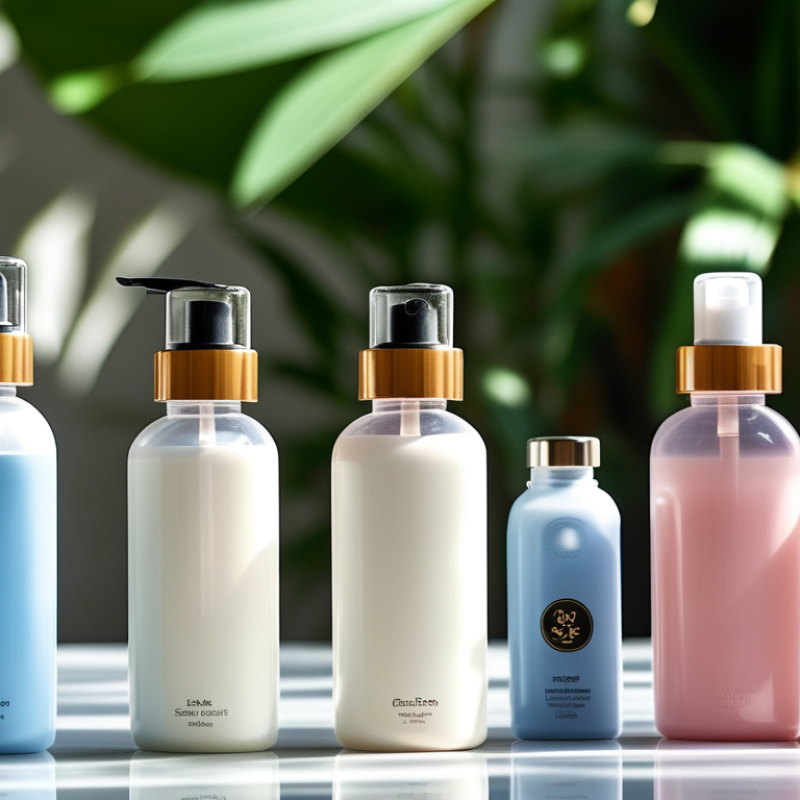
What Is Airless Packaging and How Does It Work?
Airless packaging uses a sealed container, piston, or flexible inner bag to dispense product without a traditional dip tube. Pressing the actuator creates pressure above the formula. The piston then rises, pushing the product through the pump. Air cannot easily return inside. This design helps reduce oxidation, contamination, and unnecessary preservative demand. It also supports controlled doses, often around 0.2 to 1.5 milliliters per actuation, depending on the pump.
The mechanism matters most when choosing an airless solution. Thick creams may need a wider outlet and stronger piston movement. Thin lotions may require tighter sealing to prevent leakage. Product compatibility testing should examine color change, odor, viscosity, weight loss, and pump performance. According to Grand View Research, the global airless packaging market was valued at approximately USD 5 billion in 2023, with continued growth expected through 2030. This expansion reflects demand for product protection and precise dispensing, not merely attractive containers.
Sustainability needs a closer look. A lighter package is not automatically better if it cannot be emptied or recycled efficiently. The Sustainable Packaging Coalition notes that packaging design should consider material recovery, usability, and end-of-life systems. In practical testing, leave the pack upright overnight, then measure the remaining formula. Some systems still retain more product than expected. That is an imperfect detail, but an important one. The best choice balances barrier performance, dosage accuracy, user handling, decoration, and local recycling conditions.
Which Product Characteristics Determine the Right Airless System?
Choosing an airless system starts with the formula, not the package shape. High-viscosity creams may need a wider piston and larger actuator opening. Thin serums often require tighter dispensing control. A 0.2 ml dose behaves differently from a 1.5 ml dose. Small errors become visible on the user’s hand.
Oxygen and light sensitivity also matter. Retinol products, botanical extracts, and emulsions can lose stability when repeatedly exposed to air. An airless container reduces backflow and limits repeated air exchange, but it is not an absolute barrier. The formulation must still pass compatibility testing for the pump, piston, gasket, and container wall. Testing should include heat exposure, vibration, leak checks, and repeated dispensing. Real use is messier than laboratory use.
Product positioning adds another filter. McKinsey’s 2023 global packaging research reported that 60–70% of consumers would pay more for sustainable packaging, although willingness varies by market and income. This supports refillable or material-reduced designs, but sustainability claims need measurable evidence. The package should also match the product’s expected remaining volume. A low-residue system may protect premium formulas, yet its added components can increase material use. No selection rule is perfect. A practical decision weighs dose accuracy, viscosity, sensitivity, recyclability, user grip, and total cost together. Data from controlled trials should guide the final choice, rather than appearance alone.
How to Select the Container Type, Material, and Dispensing Mechanism?
How to Choose Airless Packaging Solutions?
How to Select the Container Type, Material, and Dispensing Mechanism?
Choosing an airless package starts with the product, not the appearance. A pump bottle suits daily lotions, serums, and other fluid formulas. A jar-style airless container works better for thicker creams. For travel products, compact formats reduce spills and wasted space. Check the internal piston movement during real-use testing. Small gaps can leave valuable product behind.
Material selection also deserves careful testing. Polypropylene offers light weight and practical chemical resistance. Other plastics may provide greater stiffness or a more premium surface. The material must tolerate the formula, filling temperature, and storage conditions. Test samples under heat, cold, and repeated pumping. A material that looks excellent may still crack after transport.
The dispensing mechanism controls user experience and product protection. Choose a pump that delivers consistent doses without excessive force. Fine formulas may need a narrow outlet, while thicker products require a wider path. Measure the first dose and the final dose. They should feel similar. My first instinct was to choose the smallest actuator, but it was uncomfortable for repeated use. That mistake showed why hand testing matters. Also inspect the seal, closure, and reset function. No system is perfect. The best choice balances formula compatibility, clean dispensing, manufacturing reliability, and comfortable daily handling.
How to Evaluate Compatibility, Protection, and User Experience?
How to Choose Airless Packaging Solutions?
Compatibility should be tested with the actual formula, not a similar substitute. Check viscosity, pH, oils, solvents, and active ingredients before selecting materials. A thick cream may need a wider product path and stronger actuator. A watery serum may expose leakage or dosing problems. Store filled samples under normal and accelerated conditions. Watch for odor changes, discoloration, swelling, cracks, and altered discharge. Measure the dose repeatedly. Small variations can affect customer trust.
Protection depends on the product’s sensitivity. Airless systems can reduce repeated air exposure, but performance depends on seals, pumps, and manufacturing quality. Test oxygen and moisture resistance when the formula requires it. Examine the package after drops, vibration, temperature changes, and transport simulation. Check whether the closure remains secure after many openings. A package that works on a laboratory bench may fail in a bathroom cabinet. That is worth questioning.
User experience needs practical observation. Can users prime the pump without excessive force? Does it dispense smoothly with one hand? Is the remaining product easy to access? Test the package with wet hands, limited grip strength, and different usage habits. Ask users to describe the sound, resistance, and perceived cleanliness. These details matter. I have seen elegant designs create frustration because the final doses were difficult to retrieve. A small transparent window may help, although it can affect light protection. No decision is perfect. Record the compromises and confirm they suit the product’s real conditions.
How to Choose Airless Packaging Solutions?
How to Evaluate Compatibility, Protection, and User Experience
| Packaging Solution | Typical Product Fit | Formula Compatibility
Score | Protection
Score | User Experience
Score | Dose Consistency | Typical Residual
Product | Key Evaluation Point |
| Single-Chamber Piston Airless Bottle | Creams, lotions, gels, serums, and medium-viscosity emulsions | 4/5 | 4/5 | 4/5 | Generally consistent | Typically low | Confirm piston travel, valve performance, and compatibility with oils, solvents, and volatile ingredients. |
| Bag-in-Bottle Airless System | Sensitive emulsions, oxygen-sensitive formulas, and products requiring strong product isolation | 5/5 | 5/5 | 4/5 | Generally consistent | Low to very low | Test film or bag integrity, seal strength, oxygen transmission, and performance after repeated dispensing. |
| Dual-Chamber Airless Package | Two-part formulas, separated actives, and products mixed during dispensing | 3/5 | 4/5 | 4/5 | Consistent only when ratio is validated | Low to moderate | Validate chamber ratio, mixing efficiency, chemical stability, and the possibility of blockage at the outlet. |
| Airless Jar | Thick creams, balms, masks, and formulas that are difficult to pump | 4/5 | 3/5 | 4/5 | Moderate to consistent | Moderate | Assess opening exposure, refill orifice performance, finger access, and the risk of consumer contact with the formula. |
| Airless Tube | Creams, topical treatments, eye products, and portable personal-care products | 4/5 | 4/5 | 4/5 | Generally consistent | Low to moderate | Check squeeze force, outlet sealing, product recovery, and compatibility with laminated or multilayer tube structures. |
| Glass-Container Airless System | Premium formulas requiring a rigid, chemically stable outer container | 5/5 | 4/5 | 4/5 | Generally consistent | Low | Evaluate breakage risk, weight, transport protection, glass-to-formula contact, and the recyclability of the complete assembly. |
Scoring guide: 1 = limited suitability, 3 = moderate suitability, and 5 = strong suitability. Scores are general screening indicators rather than product guarantees. Final selection should be confirmed through formula compatibility, stability, leakage, transport, dosing, and consumer-use testing.
How to Verify Sustainability, Compliance, Cost, and Supplier Reliability?
How to Choose Airless Packaging Solutions?
Sustainability claims need evidence, not green language. OECD’s Global Plastics Outlook reports that only 9% of plastic waste was recycled globally in 2019. Therefore, examine the full pack, including the pump, spring, piston, and cap. Request material specifications, recycled-content evidence, and a life-cycle assessment. Check whether the container can enter real local recycling systems. A technically recyclable pack may still fail in practice. Compliance also needs testing. Ask for migration data, safety declarations, batch traceability, and quality records. Requirements differ across markets, so one certificate rarely proves everything.
Tips: Compare product residue after dispensing. Weigh ten used packs. Record the average. Test compatibility with your formula at different temperatures. Small laboratory results can prevent expensive recalls. For supplier reliability, review audit findings, corrective-action records, delivery history, and backup production capacity. ISO 9001 certification helps, but it does not guarantee flawless performance. Request samples from normal production, not only polished development units. Add clear acceptance limits for leakage, dose accuracy, vacuum performance, and appearance.
Cost should include tooling, filling changes, transport, testing, and disposal. A cheaper unit may create higher losses through residual product or slow assembly. Industry packaging studies often warn that material price is only one part of total cost. McKinsey’s packaging research also shows that consumers increasingly notice sustainability performance, but expectations are inconsistent. That creates risk. I would not trust a perfect sustainability scorecard without independent evidence. Suppliers can misunderstand data, and buyers can overlook local recycling limits. Recheck claims annually, especially when materials, factories, or regulations change.
How to Choose Airless Packaging Solutions?
A practical procurement framework for verifying sustainability, compliance, cost, and supplier reliability.
The illustrative weighting prioritizes sustainability and compliance while keeping total cost and supplier reliability visible in the final decision. Verify each supplier with measurable evidence, including material composition, recyclability testing, regulatory declarations, total cost of ownership, quality certifications, production capacity, lead times, and business continuity plans.
The four evaluation dimensions reflect commonly used packaging procurement criteria. The percentages are editable decision weights, not supplier performance claims or market averages.