1111 Busch Pkwy, Buffalo Grove, IL 60089, USA

1 (833) PPC-FLEX

How to Choose the Right Plastic Packaging Bags for Your Needs?

Choosing the right plastic packaging bags is crucial for businesses across various sectors. The global plastic packaging market was valued at approximately $351.5 billion in 2021. This figure is projected to reach $500 billion by 2028, indicating significant growth. Moreover, a recent report by marketsandmarkets.com highlights that plastic packaging bags account for a substantial portion of this market. With sustainability being a major concern, companies must consider eco-friendly options.

Determining the right type of plastic packaging bags involves understanding your specific needs. Factors such as material strength, barrier properties, and usability come into play. For instance, businesses must often decide between materials like polyethylene and polypropylene. Each type offers distinct advantages and drawbacks, which can be confusing. Reliable data indicates that the choice of packaging can affect product shelf life and customer satisfaction.

There are challenges as well. Not all plastic bags are recyclable, leading to confusion among consumers. Common misconceptions exist regarding biodegradable options. While some bags may claim to be eco-friendly, they require specific conditions for proper disposal. Thus, it's essential to reflect on these aspects while making a choice.
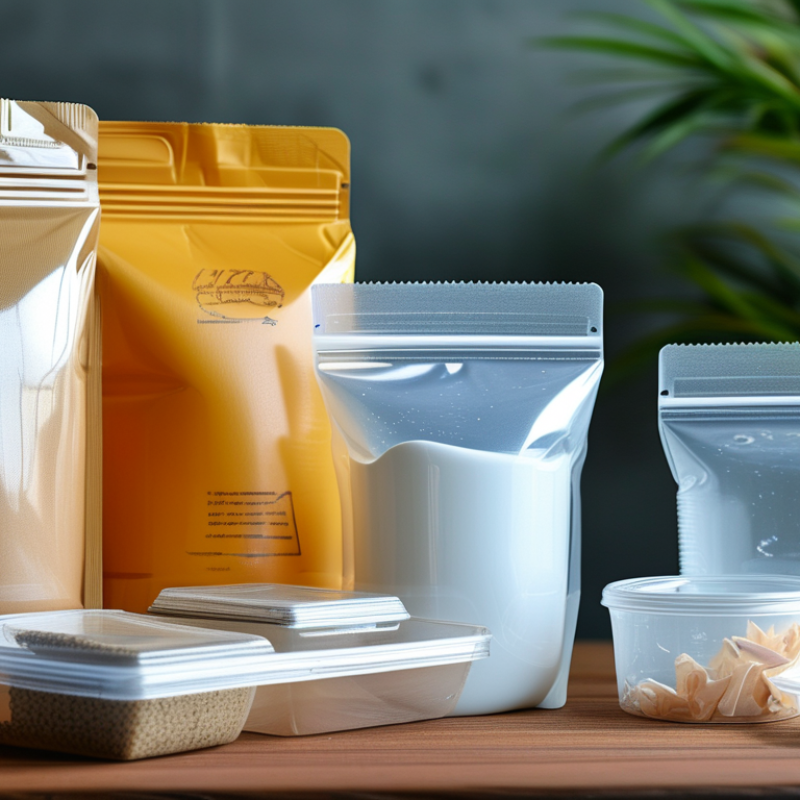
How to Choose the Right Plastic Packaging Bags for Your Needs?

Understanding Different Types of Plastic Packaging Bags Available

Choosing the right plastic packaging bags involves understanding the variety available. There are several common types, each suited for different purposes. LDPE (Low-Density Polyethylene) bags are flexible and often used for grocery shopping. They are lightweight and recyclable. Meanwhile, HDPE (High-Density Polyethylene) bags are stronger and more durable. These bags are frequently used for carrying heavier items.

Specialized bags are also available. Biodegradable options are gaining popularity amid rising environmental concerns. According to a 2021 report from the Flexible Packaging Association, the market for eco-friendly packaging is projected to reach $350 billion by 2027. This suggests consumers value sustainability in their packaging choices. It is important to consider how these materials impact product life and environmental footprint.

Another option is barrier bags, which offer protection against moisture and oxygen. This is crucial for items such as food products. A recent survey indicates that 70% of consumers prioritize freshness when selecting packaged goods. Choosing the right packaging can significantly affect product perception and shelf life. Reflecting on these options reveals that each type has its complexities and limitations. Making informed choices is essential in today's market.
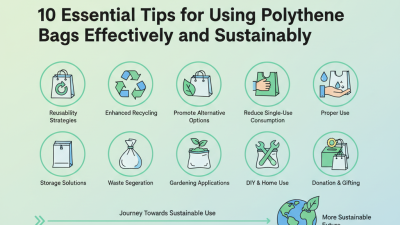
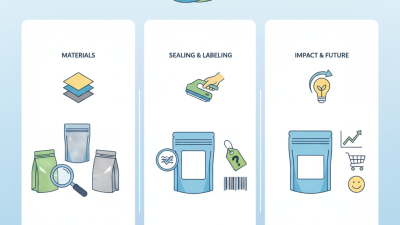
Types of Plastic Packaging Bags and Their Usage

Evaluating Your Product Requirements for Optimal Packaging Choices

Choosing the right plastic packaging bags begins with understanding your product's unique needs. Different items require different forms of protection. For example, fragile goods need thicker, more durable materials. However, most companies focus solely on cost. This can lead to inadequate protection. According to a report by Smithers Pira, the demand for flexible packaging is expected to grow by 4.5% annually, reflecting a shift toward more efficient solutions.

Evaluating factors like product weight and sensitivity is crucial. A bag that works for heavy items may not suit lighter, delicate products. Moreover, environmental considerations are more significant than ever. Many consumers prefer sustainable options, which can impact brand reputation. Packaging that fails to reflect these values might miss key sales opportunities. A recent study found that over 60% of consumers are willing to pay more for eco-friendly packaging alternatives.

Many businesses overlook the importance of tailored solutions. Generic packaging can compromise product integrity and customer trust. Packaging that meets specific requirements can enhance overall customer satisfaction and loyalty. Addressing concerns about material properties and functionality is essential. Failure to do this may lead to higher returns and lower profitability.

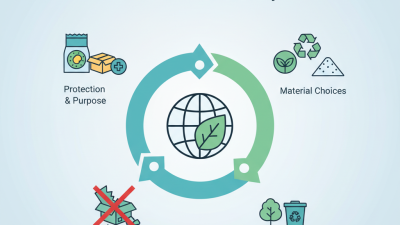
Factors to Consider for Environmental Impact of Plastic Packaging

When selecting plastic packaging bags, understanding their environmental impact is crucial. The production of conventional plastic bags contributes significantly to greenhouse gas emissions. The Environmental Protection Agency (EPA) reported that plastic production accounts for 3% of global emissions. This statistic highlights the urgent need for more sustainable choices.

Consider the material's lifecycle. Biodegradable plastics offer a potential solution, breaking down faster than traditional plastics. However, they require specific conditions to decompose effectively. A study from the Ellen MacArthur Foundation indicated that only 14% of plastic packaging is recycled. This emphasizes the importance of choosing packaging that facilitates recycling.

Transparency in sourcing materials can also guide your decision. Many consumers prefer bags made from recycled plastics. Yet, these options may not always have the durability needed for certain applications. The trade-off between functionality and environmental responsibility complicates the selection process. Assess your specific needs carefully. Balancing these factors is essential for making informed choices in plastic packaging.

Common Applications and Use Cases for Plastic Packaging Bags

When considering plastic packaging bags, it's essential to understand their common applications and use cases. In the food industry, plastic bags protect items like fresh produce or baked goods. According to the Flexible Packaging Association, the flexible packaging market is expected to reach $248 billion by 2026, which highlights the growing reliance on such solutions. These bags maintain freshness and extend shelf life, which is crucial for consumer satisfaction.

Retailers also benefit significantly from plastic bags for non-food items. They provide a lightweight, cost-effective way to package clothing or household products. A study by Smithers Pira indicates that plastic bags account for 46% of the flexible packaging market. This statistic shows their prevalence in various retail contexts. However, the environmental impact of plastic should not be ignored. Consumers increasingly demand sustainable options and alternatives.

Tips for choosing the right bags include considering thickness and material. Thicker bags often provide better durability, which is essential for heavier items. Also, consider recyclable options. Such choices display a commitment to sustainability. Identifying the right bag for your needs requires careful evaluation. Balancing convenience with environmental responsibility is key.

Tips for Sourcing Quality Plastic Packaging Suppliers and Manufacturers

When sourcing plastic packaging suppliers and manufacturers, it’s crucial to evaluate their production capabilities. Look for suppliers that demonstrate expertise in various types of plastic materials. They should have a strong understanding of your specific needs. For instance, if you need biodegradable options, ensure they have experience in sustainable materials.


Another key aspect is to verify their certifications and quality standards. This can include ISO certifications or compliance with safety regulations. Ask for samples prior to making any commitments. This helps in assessing the quality of their products. It’s also wise to read reviews and seek feedback from other customers.


Building a relationship with suppliers can be beneficial. Communicating your needs clearly can lead to customized solutions. Be prepared for potential delays or quality issues, as not all suppliers may meet your expectations. Reflect on every step of the sourcing process. Continuous evaluation is essential for long-term partnerships.