1111 Busch Pkwy, Buffalo Grove, IL 60089, USA

1 (833) PPC-FLEX

How to Recycle Plastic Bags Effectively?

Plastic bags are a common part of our everyday lives. They are convenient for shopping and packaging but often end up in landfills. This creates waste that harms the environment. Many people do not know how to recycle plastic bags properly. This leads to confusion and improper disposal.

Recycling plastic bags requires effort and awareness. Not all recycling bins accept them. Many places lack clear guidelines for plastic bag recycling. This can lead to frustration. It is important to look for proper recycling locations. Some grocery stores have special bins for plastic bags. Every effort counts in reducing pollution.

Understanding how to recycle plastic bags effectively could make a difference. It is not just about throwing them away or forgetting them. Small changes in our habits can contribute to a healthier planet. However, the journey is not flawless. We need to remain vigilant and informed. Our awareness shapes our actions toward waste reduction.
How to Recycle Plastic Bags Effectively?

Understanding the Environmental Impact of Plastic Bags in Landfills

How to Recycle Plastic Bags Effectively?

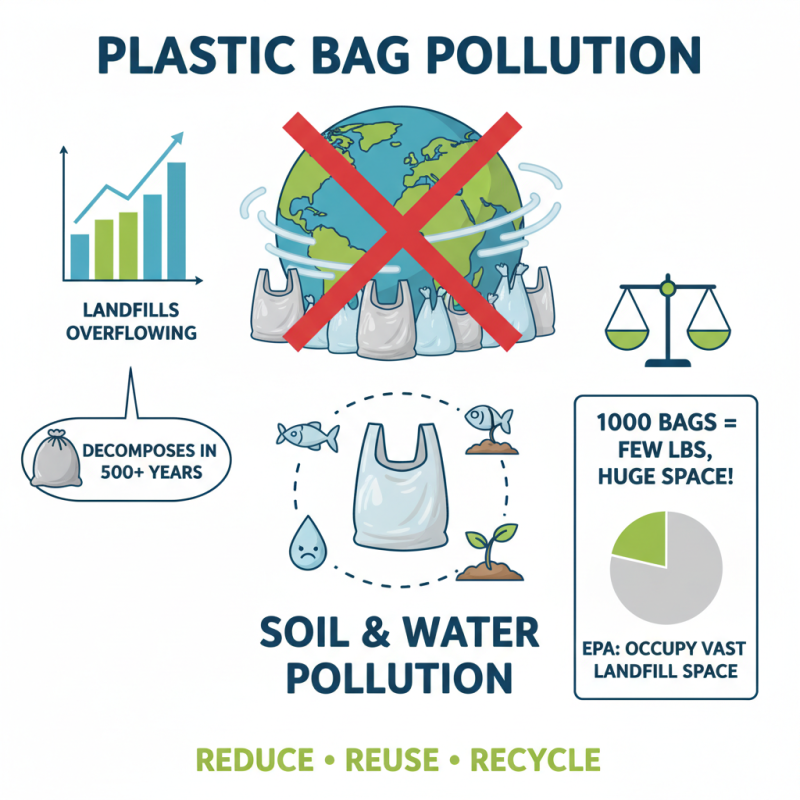
Plastic bags present a significant environmental challenge. Landfills are often the final resting place for these bags, which take hundreds of years to decompose. According to the Environmental Protection Agency, about 1,000 plastic bags weigh just a few pounds, yet they can occupy a staggering amount of space in landfills. This is alarming, as they contribute to soil and water pollution.

When plastic bags end up in landfills, they release toxic substances. These chemicals can leach into the soil, contaminating groundwater. Additionally, plastic bags can entangle wildlife, causing injuries and deaths. A report by the World Economic Forum suggests that by 2050, there could be more plastic than fish in the oceans. That’s a reality we cannot ignore.

**Tip:** Reducing plastic bag use is crucial. Consider alternatives like reusable bags. They are sturdy and last longer.

Many people are unaware of the recycling options available for plastic bags. Only a fraction of these bags are recycled, often ending up in the trash. This problem begs for reflection on habits and consumer choices.

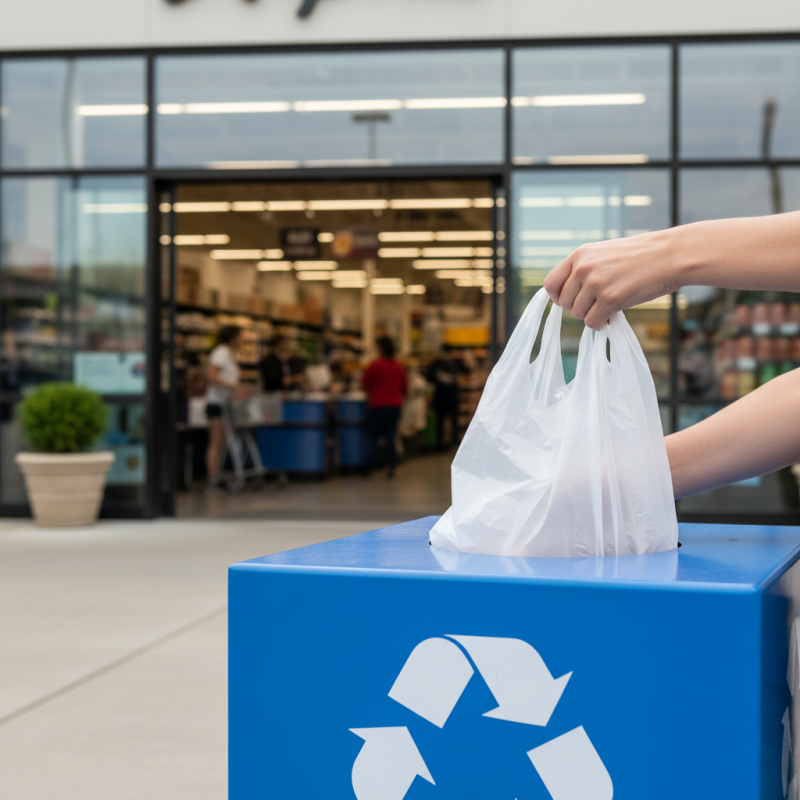
**Tip:** Check local grocery stores for drop-off recycling bins. This small action can contribute to reducing landfill waste.

Consider the impact of your choices. Every plastic bag saved is a step toward a healthier planet. Let’s rethink our reliance on them.
The Importance of Recycling Plastic Bags for Sustainable Waste Management

Recycling plastic bags is crucial for sustainable waste management. These bags are often a significant part of our daily lives. However, they are also a major environmental concern. Many bags end up in landfills or oceans, harming ecosystems. By recycling them appropriately, we can reduce pollution and conserve resources.

Tips for effective recycling:
Check local guidelines. Many areas have specific rules regarding plastic bag recycling.
Rinse and dry bags before recycling. This ensures they are clean and accepted.
Avoid mixing different types of plastics. This can complicate the recycling process.

Challenges exist in recycling plastic bags. They can get stuck in machinery at recycling plants. This leads to costly delays and inefficiencies. Moreover, not all plastic bags are recyclable. It's important to educate ourselves on which bags can be recycled. Sometimes, the bags we think are recyclable are not accepted.

Curbside recycling may not handle these bags correctly. Look for designated drop-off locations instead. Reflecting on our consumption habits can lead to better choices. Choosing reusable bags is a step towards sustainability. Small changes can make a significant impact.

Plastic Bags Recycling Rates by Country (2022)

This chart displays the recycling rates of plastic bags in various countries, highlighting the importance of effective recycling for sustainable waste management.

Effective Collection Methods for Plastic Bags in Recycling Programs

How to Recycle Plastic Bags Effectively?

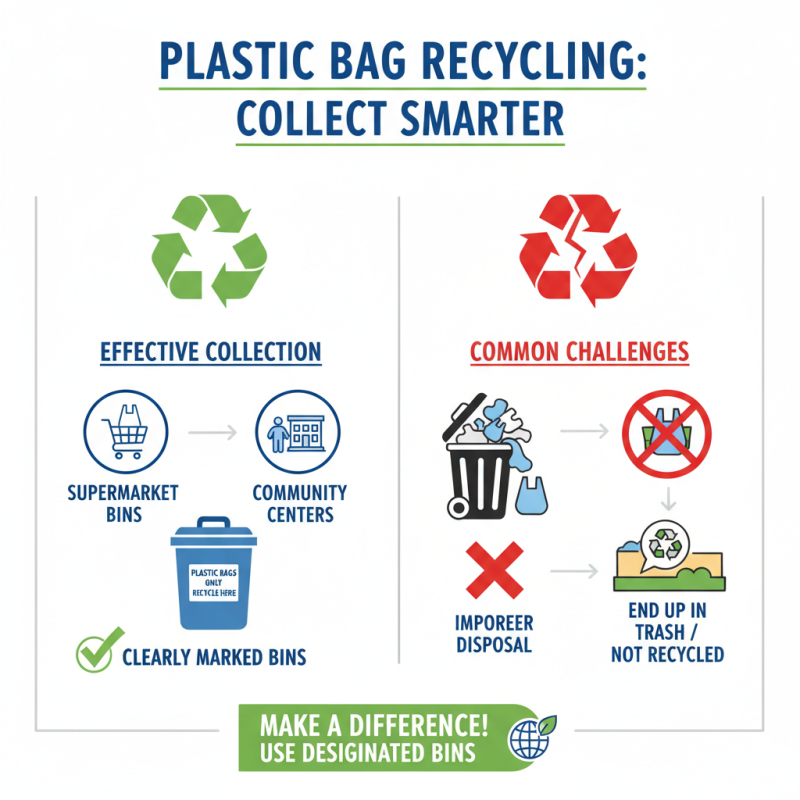
Effective collection methods for plastic bags can make a significant difference in recycling programs. One common approach is setting up collection bins in supermarkets and community centers. These bins should be clearly marked, encouraging people to bring their plastic bags. However, many people still discard bags improperly. They often end up in regular trash, where they cannot be recycled.

Education plays a key role in improving collection efforts. Organizing workshops can raise awareness. Simple tips can help individuals understand how to recycle effectively. For instance, clean and dry plastic bags are more likely to be accepted at recycling facilities. Yet, many consumers forget this important detail. Additionally, local governments can implement incentive programs to improve participation.

In some cases, it can be challenging to collect enough bags for effective recycling. The fluctuating availability can limit how much can be processed. Some recycling facilities struggle with machinery that jams when handling dirty or mixed materials. It's crucial to acknowledge these shortcomings while finding solutions. Communicative efforts are vital. Through shared knowledge and community involvement, we can create better practices for plastic bag recycling.

Guidelines for Preparing Plastic Bags for Recycling

When recycling plastic bags, preparation is key. Many often toss them directly into the recycling bin without considering the necessary steps. Not all recycling facilities handle plastic bags. Therefore, you might want to check local guidelines first. This can save time and resources.

To prepare your plastic bags, start by cleaning them. Rinse each bag with water to remove any residue. Let them dry completely. Moisture can contaminate recycling streams. Ensure bags are free from food particles and other materials. This cleaning process can take a few minutes but is essential.

Tips: Flatten your bags. This saves space in the recycling container. Group several bags together and tie them with another bag. This makes handling easier for recycling workers. Avoid mixing plastic bags with other recyclables. It creates confusion and may even lead to rejection at the recycling plant. While these steps may feel tedious, they significantly support the recycling effort.

Exploring Alternatives to Plastic Bags for Eco-Friendly Living

Plastic bags are convenient but harmful. Finding eco-friendly alternatives can make a big difference. Reusable bags are a popular choice. They come in various materials, such as cotton, jute, or recycled plastic. These bags can last for years if properly cared for. Imagine walking into a store with a sturdy canvas bag. It feels good to make a sustainable choice.

Consider choosing biodegradable bags. Made from plant-based materials, they decompose over time. However, some biodegradable options still need specific conditions to break down. It’s crucial to check local composting guidelines. Many people assume all biodegradable bags work the same. This is not true and can lead to confusion.

Tip: Always keep a few reusable bags in your vehicle. This way, you won't forget them when shopping. Additionally, make a habit of refusing plastic bags at checkout. Small changes add up. Reflect on your daily habits. Are you relying too much on single-use items? Making these choices consciously can greatly impact our environment.

How to Recycle Plastic Bags Effectively? - Exploring Alternatives to Plastic Bags for Eco-Friendly Living

Method Description Environmental Impact
Recycling Drop-off Many grocery stores have designated bins for plastic bag recycling. Reduces waste in landfills and promotes recycling.
Plastic Bag Collection Events Communities organize events for collecting and recycling plastic bags. Encourages community involvement and reduces environmental impact.
Upcycling Projects Transform plastic bags into reusable items like tote bags or crafts. Promotes creativity and reduces waste.
Biodegradable Alternatives Using biodegradable bags made from plant materials. Reduces plastic pollution and decomposes more easily.
Reusability Focus Encouraging the use of reusable bags made from cloth or other materials. Significantly lowers the demand for plastic bags and waste production.