1111 Busch Pkwy, Buffalo Grove, IL 60089, USA

1 (833) PPC-FLEX

How to Effectively Recycle Plastic Bags and Reduce Environmental Impact?

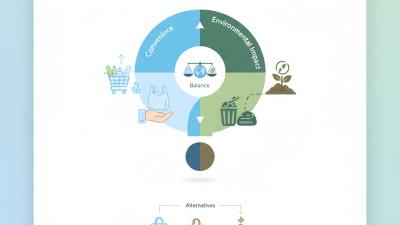
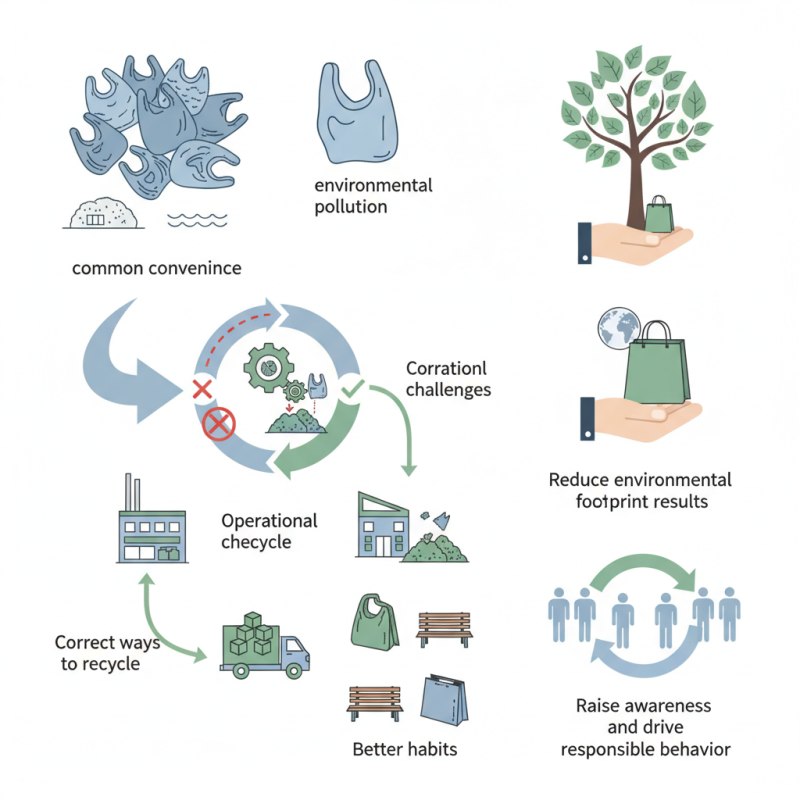
Plastic bags are a common convenience in our everyday lives. However, they significantly contribute to environmental pollution. Many people underestimate their impact. Each year, millions of plastic bags end up in landfills and oceans. This creates serious environmental issues.

Recycling plastic bags is not as straightforward as it seems. Many recycling facilities do not accept them due to operational challenges. This leads to confusion. Some individuals may inadvertently dispose of plastic bags improperly, worsening the crisis. It is important to understand the correct ways to recycle plastic bags effectively.

Moreover, the reliance on single-use plastic bags continues to rise. This makes it crucial to develop better habits. By exploring effective recycling methods, we can lessen our environmental footprint. Small changes in our daily lives can produce substantial results. Ultimately, the goal is to raise awareness and drive responsible behavior regarding plastic bags.
How to Effectively Recycle Plastic Bags and Reduce Environmental Impact?

Understanding the Environmental Impact of Plastic Bags

Plastic bags have a significant environmental impact. They are lightweight and durable, but this leads to their widespread use and disposal issues. Many plastic bags end up in oceans and landfills, where they can take hundreds of years to degrade. Marine life often suffers due to ingestion or entanglement. This creates a ripple effect, affecting ecosystems and human health.

Understanding this impact is crucial. Despite their convenience, each bag contributes to pollution. In 2019, millions of tons of plastic waste were discarded. People often underestimate how their individual choices matter. Reducing plastic bag usage can be an effective way to lessen this burden. Using reusable bags is one alternative, but many still forget them.

Reflection on these habits is necessary. Are we truly doing enough to reduce our dependence on plastic? Each small action counts, but more awareness is needed. Recycling plastic bags is challenging, as many recycling programs don’t accept them. Awareness of this issue can guide us toward better practices, fostering a more sustainable future.
Plastic Bags Recycling Rates in Different Countries

Statistics on Plastic Bag Usage and Waste Generation

Plastic bags are a significant contributor to environmental pollution. According to the Environmental Protection Agency, the U.S. produced over 9 million tons of plastic bags in 2020 alone. Many of these bags end up in landfills, where they can take hundreds of years to decompose. Once discarded, they can break down into microplastics, contaminating soil and water.

Globally, it is estimated that around 1 trillion plastic bags are used each year. This staggering number highlights the urgency for effective recycling methods. Unfortunately, only a small fraction of plastic bags are recycled, with estimates around 0.1%. Many consumers are unaware of proper disposal options, leading to increased waste. Some areas struggle with the economic feasibility of recycling programs.

Recognizing the impact is essential. Shifting behavior can create meaningful change. Easy steps like using reusable bags can significantly lower plastic consumption. Education on local recycling guidelines is vital. Communities need to come together and advocate for better recycling facilities. Without comprehensive action, the problem will persist.

Best Practices for Recycling Plastic Bags Effectively

How to Effectively Recycle Plastic Bags and Reduce Environmental Impact?

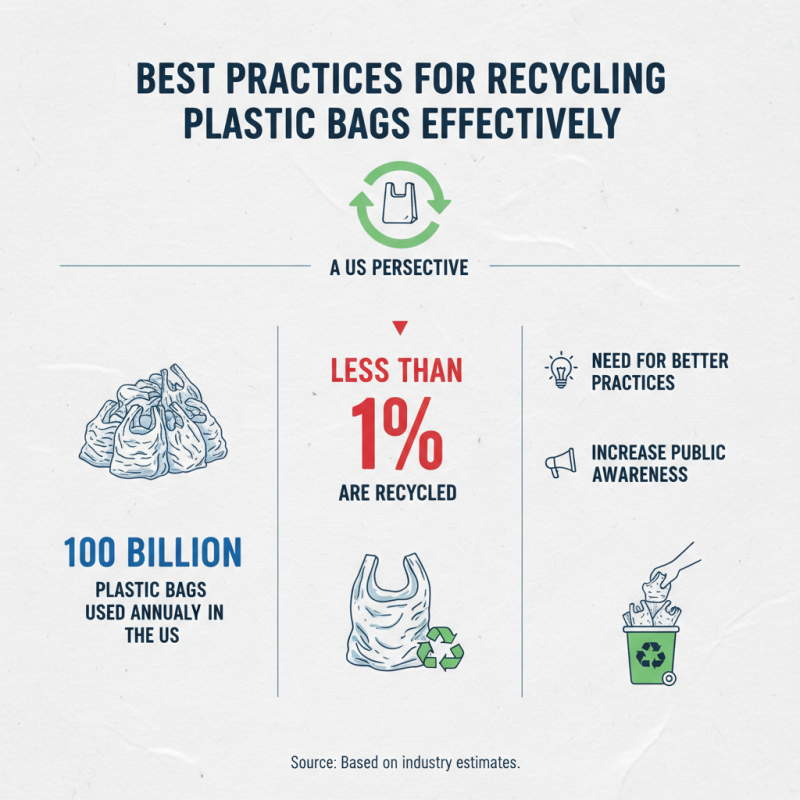
Recycling plastic bags effectively is crucial for environmental sustainability. In the U.S. alone, an estimated 100 billion plastic bags are used annually. Unfortunately, fewer than 1% of these bags get recycled. This low rate highlights the need for better recycling practices and public awareness.

One best practice is to always check local guidelines for plastic bag recycling. Not all areas accept these bags in curbside recycling bins. Instead, consider returning them to designated collection points at grocery stores. Many retailers have specific bins for plastic bag recycling. This approach helps ensure that the bags are processed correctly.

Education plays an essential role here. Studies indicate that communities with strong recycling education campaigns see up to 30% higher recycling rates. Engage with local advocacy groups or participate in workshops. Reflecting on our usage of plastic bags can reveal lifestyle changes that could reduce overall consumption. By adopting these practices, we contribute to a more sustainable future.

Innovative Alternatives to Reduce Plastic Bag Dependence

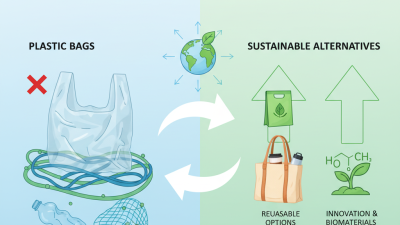
Innovative alternatives to plastic bags can significantly reduce our dependence on them. Reusable bags made from cloth or jute are gaining popularity. These materials are durable and can last for years. Some people even make their own bags from old fabric. This adds a personal touch and helps in recycling textile waste.

Biodegradable options are also on the rise. Some companies offer bags made from plant materials that break down more easily than traditional plastics. However, not all biodegradable bags are created equal. They often need specific conditions to decompose properly. Consumers should be aware of these differences.

Another option is to encourage local markets to adopt bulk buying practices. This cuts down on packaging altogether. People can bring their containers to fill with grains or liquids. This practice not only reduces plastic use but also fosters community relationships. Yet, the transition requires effort from both consumers and retailers. Engaging in discussions about packaging choices can be powerful. It's essential we reflect on our habits and seek alternatives actively.

Community Initiatives to Promote Plastic Bag Recycling

Many communities are stepping up to promote plastic bag recycling. Local workshops teach residents the importance of recycling. People learn to sort their waste properly. This hands-on approach makes a real difference. Attendees often express amazement at how many bags they accumulate over time.

Community clean-up events encourage participation. Volunteers collect plastic bags from parks and public spaces. This not only beautifies the area but raises awareness about plastic waste. Some participants have shared the joy of seeing fewer bags in their neighborhoods. However, many still struggle with changing habits.

Collaborative recycling programs with local stores are also gaining traction. These programs offer drop-off bins for used plastic bags. Residents appreciate the convenience. Yet, some users question the effectiveness of these bins. They wonder how many bags actually get recycled. These discussions are essential for improving initiatives. Engaging the community fosters a deeper understanding of recycling's challenges.