1111 Busch Pkwy, Buffalo Grove, IL 60089, USA

1 (833) PPC-FLEX

Essential Tips for Using ESD Bags to Protect Your Electronics

Electronics are integral to our daily lives, yet they are vulnerable to damage. This vulnerability necessitates the use of protective solutions, such as ESD bags. These bags are designed specifically to shield sensitive components from electrostatic discharge. However, not everyone understands their full potential.

Using ESD bags can be simple, but there are nuances to consider. Understanding the right usage can significantly improve your protection strategies. For instance, making sure that the bags are properly sealed is crucial. Failing to do so may compromise your electronics. It’s important to identify different types of ESD bags and choose the suitable one for your needs.

Inadequate knowledge can lead to mistakes. Some users may overlook proper handling, exposing their devices to risks. Reflecting on these points can help you better utilize ESD bags. Remember, effectiveness relies not just on the bag, but also on your awareness and attention to detail. Safeguarding your electronics is a shared responsibility.
Essential Tips for Using ESD Bags to Protect Your Electronics

Understanding ESD Bags and Their Importance for Electronics

ESD bags play a crucial role in safeguarding electronics from electrostatic discharge. This phenomenon can damage sensitive components and lead to costly repairs or replacements. A recent study found that up to 30% of electronics failures are attributed to ESD. Understanding ESD bags is essential for any professional handling electronic devices.

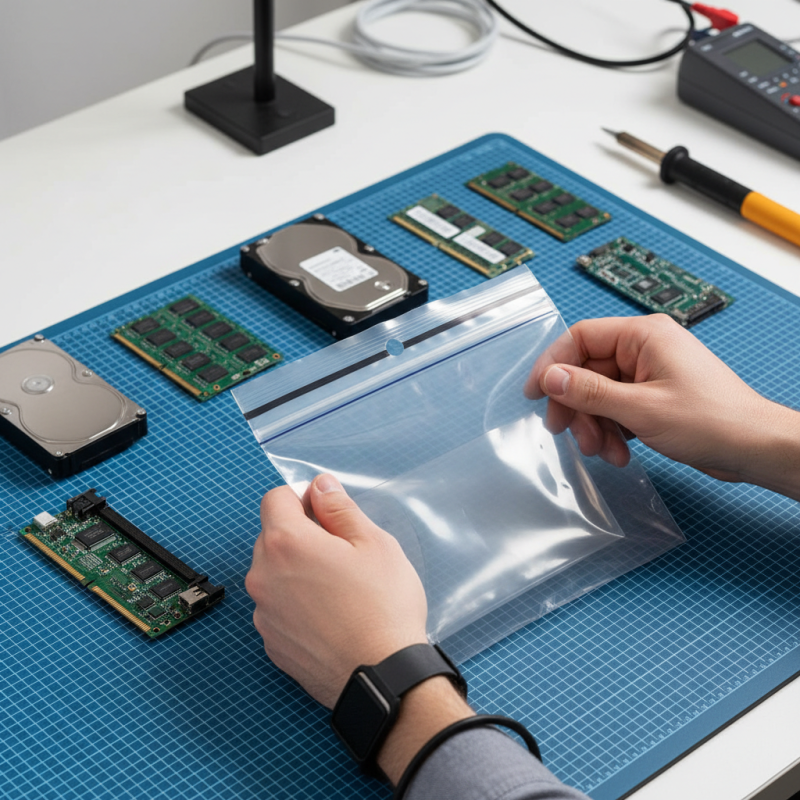
These bags are specifically designed to dissipate static electricity. They are made from materials that either conduct electricity or provide insulation against it. This prevents the buildup of static charges that can harm electronics. When using ESD bags, it's important to ensure that they are properly sealed. A loose bag can expose devices to static charges.

Tip: Always store electronics in ESD bags when not in use. This minimizes the risk of accidental discharge. Avoid placing items on surfaces that generate static, like plastic or vinyl.

Furthermore, not all ESD bags are created equal. Some offer better protection than others. It’s crucial to choose the right type for your needs. Check the bags for proper labeling and specifications.

Tip: Regularly inspect your ESD bags for wear and tear. Using damaged bags defeats their purpose. Stay proactive in your approach to electronic safety.

Types of ESD Bags: Materials and Their Protective Features

Essential Tips for Using ESD Bags to Protect Your Electronics

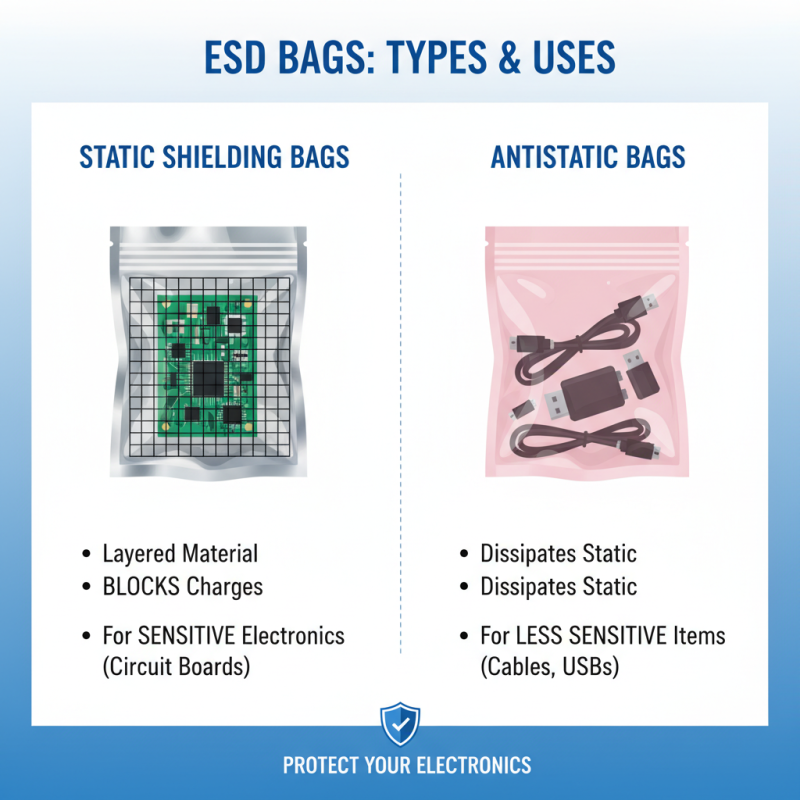
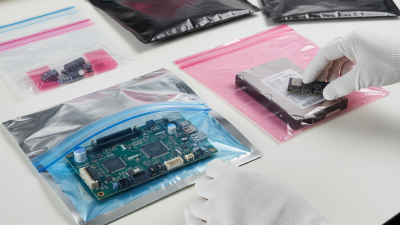
When it comes to protecting your electronics, understanding the types of ESD bags is crucial. There are several materials used for these bags, each offering unique protective features. For example, static shielding bags are composed of layered materials that block static charges. They are effective for sensitive components like circuit boards. Antistatic bags, on the other hand, dissipate static electricity. These bags are suitable for less sensitive items.

Tip: Make sure to match the bag type with your specific needs. If you’re storing highly sensitive components, opt for static shielding bags. They offer a higher level of protection against electrostatic discharge.

Another type is the conductive bag. These bags provide a path for static charges to flow away from your electronics. However, they should not be used for items that may be affected by moisture. You can often see these bags with a distinct black color. It’s essential to check for wear, as damaged bags can compromise protection.

Tip: Regularly inspect your ESD bags for any holes or tears. Even a small puncture can expose your electronics to harmful static. This simple practice can save you from costly damages.

Best Practices for Properly Storing Electronics in ESD Bags

ESD bags provide crucial protection for your electronics, yet many overlook their proper use. Storing devices without protection can lead to irreversible damage from electrostatic discharges. It’s essential to ensure your ESD bags are intact and free of any rips or tears. Even a small flaw can compromise the protection. Inspect the bags each time before use to avoid potential disasters.

Correct storage also involves keeping ESD bags in a controlled environment. Excess moisture can damage electronics, so it’s best to avoid humid spaces. A cool, dry area is ideal. Remember, when inserting equipment, make sure to handle it with grounded tools to prevent static build-up. It’s easy to forget this step, but it’s crucial. Finally, label each bag clearly, detailing what’s inside. Confusion can lead to mix-ups and errors, especially in busy environments. Taking these simple steps can significantly enhance the lifespan of your precious electronics.

Common Mistakes to Avoid When Using ESD Bags

Electrostatic discharge (ESD) can severely damage sensitive electronics. Many people think that simply using ESD bags is enough for protection. However, common mistakes can put your devices at risk. For instance, not checking for visible damage on ESD bags is a critical error. A tear or hole can compromise the protection ESD bags are supposed to provide.

Another frequent mistake is improper sealing of the bags. Studies indicate that over 30% of users do not properly seal ESD bags, leading to potential exposure to harmful static charges. Furthermore, using ESD bags in humid environments can lead to moisture retention, which is detrimental. Experts recommend keeping products in dry conditions to maintain their efficacy.

Lastly, mixing non-ESD items with ESD-protected items in the same workspace can create a risk. It’s essential to separate them and avoid that temptation. Neglecting basic guidelines can reduce the effectiveness of ESD protection. These mistakes are often overlooked but can have serious consequences for your valuable electronics. Reflecting on your practices could save your equipment from unnecessary damage.

Common Mistakes When Using ESD Bags

How to Maintain and Care for ESD Bags for Longevity

When it comes to ESD bags, proper care is crucial for maintaining their effectiveness. Keeping them clean is essential. Store the bags away from direct sunlight and excessive heat. This will help prevent degradation over time. It’s easy to forget that dust and dirt can compromise their protective qualities. Regularly inspect the bags for any signs of wear or damage. Even small tears can diminish their shielding capability.

Wipe the external surfaces gently with a soft cloth. Avoid harsh chemicals that may leave residues. If a bag becomes dirty or contaminated, it may not protect your electronics effectively. Resealable bags can be a great option, as they offer a better barrier when closed properly. In some cases, resealing may not achieve the same level of protection as a new bag.

Lastly, avoid reusing ESD bags multiple times for different electronics. Each time a bag is used, its electrostatic discharge protection can weaken. It's not uncommon to assume a bag is still good after several uses, but this can be misleading. Pay attention to how you store and manage these bags. Careful handling will extend their lifespan and enhance protection for your valuable electronics.