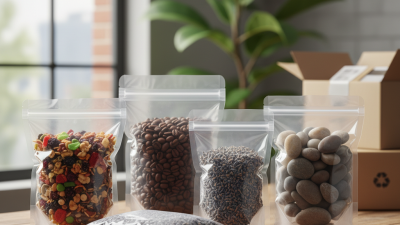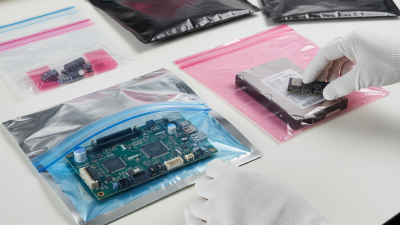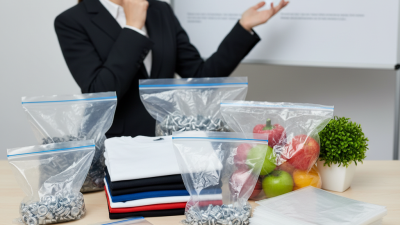
Choosing the right custom flat pouches in 2026 requires more than selecting a color and adding a logo. Your product’s texture, weight, moisture sensitivity, and distribution route all affect the final package. A powdered drink mix may need strong seals and a high moisture barrier. Roasted coffee may require aroma protection and a one-way valve. Small details matter.
The best decision combines practical testing with clear product knowledge. Examine film structure, pouch dimensions, opening style, seal strength, print quality, and filling-machine compatibility. Ask suppliers for technical data, migration information, and material specifications. Reliable manufacturers should explain their testing methods instead of offering vague promises. Samples should be filled, sealed, dropped, squeezed, and stored under realistic conditions. A pouch that looks excellent on a screen may wrinkle or leak on a production line.
Sustainability also deserves careful attention. Recyclable structures can be valuable, but only when local collection systems can process them. “Eco-friendly” is not a complete technical specification. A perfect pouch rarely exists. Improving one feature may reduce another, such as barrier performance, cost, or recyclability. That trade-off deserves honest review.
This guide explains how to compare custom flat pouches for product protection, branding, usability, and responsible sourcing. It also highlights questions that purchasing teams should ask before approving a design. In 2026, the strongest packaging choice will not simply look modern. It will perform consistently from factory filling to customer use.
How to Choose Custom Flat Pouches for Your Product in 2026?
Define Your Product’s Packaging Requirements
When choosing custom flat pouches in 2026, define the product before selecting a film. List its weight, dimensions, fill temperature, moisture level, oil content, aroma, and expected shelf life. A 50-gram powder needs different protection from sauce filled at 85°C. Record the package’s contact surface, drop height, and storage climate. These details guide barrier, seal, and laminate decisions. Do not guess here.
For oxygen-sensitive snacks, request oxygen transmission rate and water vapor transmission rate targets from the converter. Test puncture resistance and seal strength after filling, not only on empty samples. ASTM methods can make results comparable, while migration testing supports material suitability. Grand View Research’s Flexible Packaging Market Size report valued the market at USD 261.36 billion in 2022 and forecast continued growth through 2030. That scale signals competition, but it does not justify over-engineering every pouch. Excess material can increase cost and complicate recovery.
Then define use conditions: hand-held opening, zipper reuse, hang holes, tear notches, and filling speed. PMMI’s packaging trend research identifies convenience and sustainability as major development pressures. Still, recyclable claims need evidence from local collection systems and accepted structures. Request pilot runs with real product, humidity changes, and transport vibration. A pouch can look perfect. It may still leak. Leave room to revise the specification after testing; early assumptions are often the weakest part of the brief.
| Product Category | Primary Packaging Risk | Common Flat Pouch Structure | Typical Total Thickness | Barrier Requirement | Recommended Closure | Suitable Format |
|---|---|---|---|---|---|---|
| Dry Snacks and Crackers | Moisture absorption, oxygen exposure, and crushing | BOPP/CPP or PET/PE laminate | Approximately 70–120 microns | Medium moisture and oxygen barrier | Heat seal; zipper for repeated use | Single-serve or multi-serve flat pouch |
| Coffee, Tea, and Roasted Beans | Oxygen, moisture, aroma loss, and light | PET/AL/PE or high-barrier PET/metallized PET/PE | Approximately 90–150 microns | High oxygen, moisture, aroma, and light barrier | Hermetic heat seal; zipper or degassing valve when required | Flat sachet or gusseted pouch |
| Powders and Drink Mixes | Moisture ingress, powder leakage, and seal contamination | PET/PE or PET/PE with a high-barrier layer | Approximately 70–120 microns | Medium to high moisture barrier | Wide, clean heat-seal area; tear notch for opening | Stick pack, sachet, or portion pouch |
| Pet Food and Treats | Grease, odor, moisture, puncture, and handling damage | PET/PE or PET/PE with reinforced sealant layer | Approximately 90–160 microns | Moisture and grease barrier; oxygen barrier based on fat content | Zipper with heat-sealed top; tear notch | Multi-serve flat or gusseted pouch |
| Dried Fruit and Granola | Moisture migration, oxidation, and product compression | PET/PE or high-barrier PET/metallized PET/PE | Approximately 80–140 microns | Medium to high moisture and oxygen barrier | Zipper and heat seal for extended shelf life | Flat pouch or stand-up pouch |
| Fresh or Frozen Food | Low-temperature brittleness, leakage, puncture, and freezer burn | PE-based sealant laminate with freezer-compatible adhesive | Approximately 80–150 microns | Moisture barrier with strong low-temperature seal performance | Leak-resistant heat seal | Flat pouch, vacuum pouch, or freezer pouch |
| Cosmetics and Personal Care Powders | Moisture, fragrance loss, leakage, and appearance requirements | PET/PE or PET/CPP laminate | Approximately 70–130 microns | Moisture barrier selected according to formulation | Heat seal; zipper or spout for refill products | Sample sachet or refill pouch |
| Household and Industrial Powders | Humidity, abrasion, chemical contact, and heavy filling weight | High-strength PET/PE or PE-based heavy-duty laminate | Approximately 100–180 microns | Moisture and chemical-resistance requirements must be verified | Reinforced heat seal; zipper for controlled dispensing | Heavy-duty flat pouch or refill pouch |
| Medical and Hygienic Products | Contamination, sterile-barrier integrity, moisture, and tampering | Validated medical-grade laminate or coated paper/polymer structure | Approximately 80–180 microns, depending on use | Barrier level must match sterilization and shelf-life conditions | Validated peelable or permanent seal | Sterile pouch or protective sachet |
Selecting a custom flat pouch starts with the product’s sensitivity, not its appearance. Moisture-sensitive powders need low water-vapor transmission. Coffee and oxygen-sensitive snacks require strong oxygen protection. ASTM F1249 measures water-vapor transmission, while ASTM D3985 measures oxygen transmission. These tests should support supplier certificates, not replace them.
The market is substantial. The Flexible Packaging Association reported approximately 42.9 billion dollars in United States flexible-packaging sales for 2023. That scale reflects practical demand for lightweight, space-efficient formats. Yet thinner is not automatically better. A pouch with a high-barrier film may protect contents, but its seal layer, filling temperature, and storage conditions still matter. Ask for WVTR and OTR values at stated temperatures and humidity levels. Without test conditions, the numbers are incomplete.
Barrier selection should match the real distribution route. A dry product shipped through humid regions may need stronger moisture protection than a locally sold item. Foil-based structures offer excellent barriers, while metallized or transparent coatings can reduce material weight and preserve visibility. Recyclable mono-material structures are improving, but their barrier performance can vary by application. Be cautious. I would test filled pouches, not empty samples. Check seal strength, pinholes, flex-cracking, and product interaction after transport simulation. One overlooked corner crease can defeat an impressive laboratory result. Smithers’ 2024 flexible-packaging analysis also identifies sustainability and performance balance as continuing industry pressures, so the best pouch is rarely the most complex one.
Size, shape, and opening style should follow the product, not only the artwork. The 2024 State of Flexible Packaging Report valued the U.S. flexible packaging market at about $39.8 billion. That scale reflects strong demand for lighter, space-saving packs. Measure the product’s real volume, then allow space for sealing and handling. A powder pouch needs headspace. A snack pouch needs enough width for easy scooping. A liquid pouch needs stronger seals and controlled filling. A pouch that looks efficient may still feel frustrating in use.
Shape affects both shelf presence and production risk. Rounded corners reduce sharp edges and improve handling. A die-cut top can create a useful grip, but complex shapes may increase material waste. Opening style matters just as much. A tear notch supports quick use. A zipper suits products used over several days. A spout works for controlled pouring, but it adds components and testing. Smithers’ flexible packaging outlook expects the global market to exceed $300 billion by 2028. This growth makes practical design discipline more important, not less.
Tips: Test three sizes with the actual product. Fill them by hand. Check whether the opening stays clean after five uses. Review seal strength after transport simulation. Do not trust a perfect first sample. My own preference is a slightly wider opening, although it can reduce visual neatness. Consumer convenience should win.
Choosing a custom flat pouch starts with comparing printing methods. Digital printing suits short runs, seasonal designs, and quick artwork changes. It can reduce setup waste, but unit costs may rise at higher volumes. Gravure printing offers strong color consistency for large orders. However, cylinder preparation adds time and expense. Ask for printed proofs, not only screen previews. Colors can shift between coated film and uncoated paper.
Finishing changes both appearance and handling. Matte film creates a quiet, premium look, while gloss film makes colors appear brighter. Soft-touch coating feels attractive, but it may show fingerprints or scuff marks. Metallic effects can improve shelf visibility, yet they may reduce color accuracy. Select sealable materials with suitable barrier performance for moisture, oxygen, or light. Test the actual pouch after filling. A beautiful empty sample can still leak.
Customization should support real use. Consider pouch width, corner shape, tear notches, hang holes, and closure options. A zipper may improve convenience, but it can increase material use and sealing complexity. Request samples with your final artwork and product weight. Check seal strength, drop resistance, opening force, and color consistency. Ask for material specifications and relevant compliance documents. The first sample is rarely perfect. Small adjustments to film thickness, notch position, or artwork contrast can prevent larger production problems. Test more than once.
Choosing custom flat pouches in 2026 requires more than comparing attractive samples. Request supplier evidence, not promises. Review material specifications, food-contact documentation where relevant, quality-control procedures, and production capacity. Ask how the supplier handles color variation, seal strength, and rejected units. A small sample run can reveal weak corners or uneven zippers before a larger order.
Cost depends on pouch size, film structure, printing method, finishing, minimum order quantity, and shipping. Compare the complete landed cost, including tooling, inspection, storage, and possible delays. A cheaper quotation may become expensive after rework. Sustainability also needs careful checking. Ask for verified recycled content, material composition, and realistic disposal guidance. Avoid vague “eco-friendly” claims. A thinner pouch may reduce material use, but it must still protect the product and prevent leakage.
Tips: Give suppliers a clear specification sheet with dimensions, fill weight, artwork, barrier needs, and seal requirements. Request three production samples. Test them under actual handling conditions. Get a written timeline covering artwork approval, sampling, manufacturing, inspection, and delivery. Add contingency time for seasonal congestion. In one trial, the printed color looked correct on screen but changed under warehouse lighting. That mistake taught us to approve physical proofs, not digital images alone. Estimates can still move when materials or freight conditions change. Keep a backup schedule.
Evaluate suppliers, costs, sustainability, and production timelines before placing a custom pouch order.
These planning benchmarks show common timeline ranges for custom flat pouch projects. Artwork approval and sampling should be completed before production, while freight time depends on the shipping method and destination. Request a detailed quotation that separates material, printing, conversion, tooling, freight, and sustainability documentation costs.
Interested in working with our team? Reach out to our team for a no-strings-attached consultation.
1 (833) PPC-FLEX
1111 Busch Pkwy
Buffalo Grove, IL 60089, USA