
Choosing the right Packaging Plastic Pouch involves more than comparing prices or selecting attractive colors. The pouch must protect the product, support safe handling, and match real customer expectations. A pouch for roasted coffee may need strong oxygen and moisture barriers. A pouch for frozen vegetables must resist low temperatures, tearing, and leaking. The material, seal structure, thickness, closure, and printing method all affect performance.
Small details matter.
In practical packaging evaluations, I check how the pouch feels in hand, opens at the tear notch, and stands on a store shelf. I also examine seal strength after filling, transportation, and storage. A glossy finish can improve shelf appeal, but it may show scratches easily. A zipper can improve convenience, yet it may increase cost and complicate recycling. These trade-offs deserve honest attention.
Product safety remains essential. Choose suppliers with clear specifications, testing records, quality controls, and suitable food-contact documentation when required. Reliable manufacturers should explain barrier performance, tolerances, and production limits without hiding behind vague claims. Sustainability also needs careful judgment. “Eco-friendly” is not enough. Consider the pouch structure, local recycling systems, recycled content, and disposal conditions.
The perfect pouch may not exist.
A useful decision balances protection, usability, appearance, budget, and environmental responsibility. Samples should be tested with the actual product, not only reviewed from a catalog. Even experienced buyers can overlook moisture, filling speed, or customer opening habits. A careful selection process reduces costly surprises and creates packaging that performs beyond the showroom.
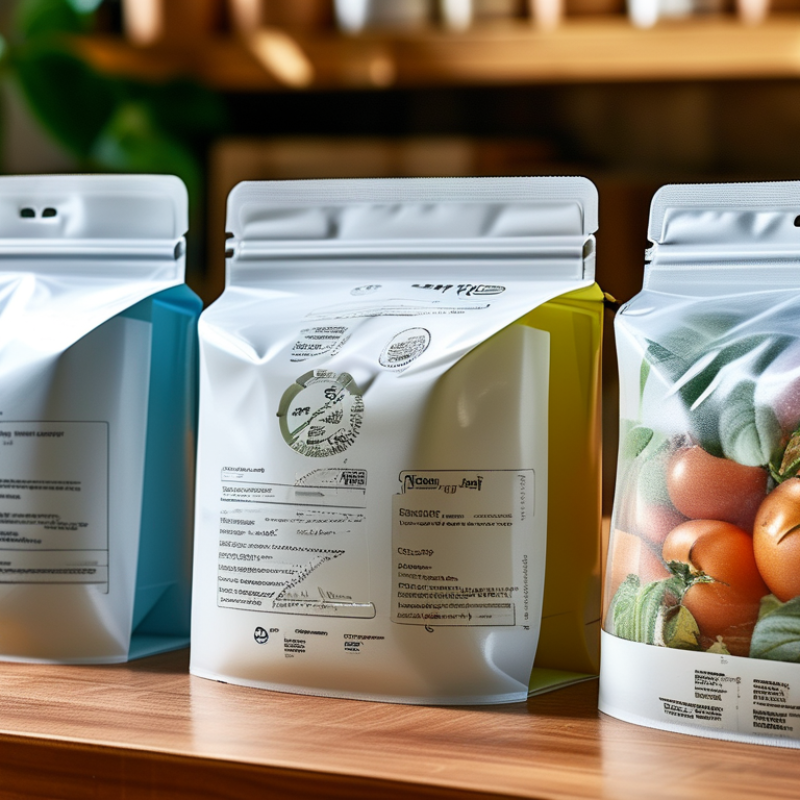
Packaging plastic pouches are flexible containers made from films such as polyethylene, polypropylene, polyester, or layered structures. Each material supports different needs. Polyethylene offers flexibility and reliable heat sealing. Polyester can improve stiffness and print performance. Barrier layers help protect contents from moisture, oxygen, light, and odors. The right structure depends on the product, storage period, and filling method.
These pouches suit many everyday applications. They can hold dry foods, powders, sauces, personal care products, household liquids, and small hardware items. Stand-up pouches work well on shelves because their bottom gusset provides stability. Flat pouches save space and often suit samples or single-use portions. Spouted formats support controlled pouring, but the closure must remain clean and secure. A pouch may look attractive yet fail during transport.
Tips: Check seal strength, film thickness, puncture resistance, and barrier performance before ordering large quantities. Test filled pouches under heat, pressure, and repeated handling. Transparent films improve product visibility, while opaque films protect light-sensitive contents. Also inspect the pouch after filling; small wrinkles near the seal can create weak points. I have seen packaging pass a visual check but fail after several days of movement. That is why practical testing matters more than appearance alone. Consult qualified packaging specialists and request documented material specifications.
How to Choose the Best Packaging Plastic Pouch
Identifying Product Requirements Before Choosing a Plastic Pouch
A suitable plastic pouch begins with the product, not the pouch shape. Define the product’s weight, volume, texture, and filling temperature. A dry powder may need strong seals and dust control. A liquid product needs leak resistance and reliable closure performance. Sharp pieces require stronger puncture protection.
Consider how customers will store and use the package. Will it sit in a refrigerator, a warm warehouse, or direct sunlight? Light-sensitive contents may need an effective barrier layer. Products with strong aromas may require excellent odor retention. For repeated use, a resealable opening can improve convenience. However, it may also increase cost and create more sealing variables.
During pouch trials, fill samples with the actual product. Test the seals after stacking, dropping, and transportation. Check whether the pouch stands properly on a retail shelf. Measure seal strength instead of judging it by appearance alone. Food, cosmetic, and other regulated products also require suitable material documentation and migration testing.
I once approved a pouch that looked durable but collapsed during filling. The material was acceptable; the dimensions were wrong. That mistake changed my process. I now review product behavior, filling equipment, storage conditions, and customer handling together. Some requirements remain uncertain. Small pilot runs can expose those gaps before full production.
Oxygen transmission rate (OTR) and water vapor transmission rate (WVTR) are key indicators when selecting pouch materials. Lower values generally provide stronger protection against oxidation and moisture transmission.
Values are representative industry figures measured under commonly used laboratory conditions: OTR at 23°C and 0% relative humidity; WVTR at 38°C and 90% relative humidity. Actual performance varies with film thickness, sealing quality, humidity, temperature, and package design.
How to Choose the Best Packaging Plastic Pouch
Comparing Pouch Materials, Structures, and Barrier Properties
Choosing a plastic pouch starts with the product, not the pouch shape. A dry snack may need moisture protection, while a liquid sauce needs stronger seals and puncture resistance. Polyethylene offers flexibility and reliable heat sealing. Polypropylene handles higher filling temperatures and gives a cleaner, stiffer appearance. Polyester adds strength and print protection, but it usually needs another sealing layer.
Most commercial pouches use multilayer structures. Each layer has a specific job. A typical structure may combine polyester, adhesive, barrier film, and polyethylene. For oxygen-sensitive products, EVOH or aluminum foil can reduce oxygen transmission. Foil gives excellent protection from light, oxygen, and moisture. However, it can increase cost and reduce recyclability. High-barrier coated films may provide a practical alternative, but performance depends on coating quality and handling.
Barrier data should match real storage conditions. Ask for oxygen transmission rate and water vapor transmission rate results. Review the test temperature and humidity, because numbers can change sharply. Check seal strength after filling, not only before production. I have seen attractive pouches fail at weak corners after rough transport. A perfect pouch is mostly a myth. Material choices may also change after testing, filling trials, and shelf-life checks. That process feels slower, but it prevents expensive packaging changes later.
| Pouch Material or Structure | Typical Layer Structure | Common Applications | Oxygen Barrier | Moisture Barrier | Light Barrier | Heat-Seal Performance | Mechanical Performance | Recyclability Consideration | Best-Fit Recommendation |
|---|---|---|---|---|---|---|---|---|---|
| PE Monolayer | PE film, usually LDPE, LLDPE, or HDPE | Frozen foods, fresh produce, household products, simple dry goods | Low to moderate | Good | None | Excellent; broad sealing window | Good flexibility and puncture resistance; varies by PE grade | Potentially recyclable where a suitable PE film collection and recycling system exists | Cost-sensitive products that do not require a high oxygen or light barrier |
| PP Monolayer | BOPP or cast PP film | Snack foods, bakery products, confectionery, overwraps | Moderate | Good to very good | None | Good; sealant-grade PP is commonly used | Good stiffness and clarity; lower low-temperature flexibility than PE | Potentially recyclable where PP flexible-film recycling is available | Products needing stiffness, clarity, and good moisture protection |
| PE/PE High-Barrier Recyclable-Design Structure | Multiple PE layers with a compatible high-barrier coating or film | Dry foods, pet food, personal-care products, refill pouches | Moderate to high | Very good | Low unless pigmented or coated | Excellent | Good flexibility, tear resistance, and seal integrity | Designed for PE recycling streams, but acceptance depends on local guidelines and barrier components | When improved recyclability is important but moderate barrier performance is sufficient |
| PET/PE | Printed or transparent PET / PE sealant layer | Dry foods, powders, personal-care products, household products | Moderate | Good | Low; PET is not an effective light barrier by itself | Good, provided the PE layer forms the seal | Very good stiffness, printability, dimensional stability, and puncture resistance | Multilayer construction is generally difficult to recycle in conventional single-material streams | General-purpose pouches requiring attractive graphics and reliable handling strength |
| PET/PE with EVOH | PET / tie layer / EVOH barrier layer / PE | Dry foods, sauces, pet food, products sensitive to oxygen | High when dry; performance decreases at high humidity | Good | Low unless an opaque outer layer is used | Good through the PE sealant layer | Very good; suitable for demanding pouch handling conditions | Recycling compatibility depends on total layer composition and local design rules | Oxygen-sensitive products that need a clear pouch and do not require the highest barrier |
| PET/Aluminum Foil/PE | PET / aluminum foil / PE | Coffee, powdered beverages, spices, retort and long-shelf-life foods | Very high | Very high | Excellent; opaque | Good through the PE sealant layer | Very good barrier protection; foil can be damaged by severe flexing or sharp folds | Not compatible with standard PE or PET mechanical recycling because it is a mixed-material laminate | Maximum protection from oxygen, moisture, aroma, and light |
| PET/Metallized PET/PE | PET / vacuum-metallized PET / PE | Snacks, coffee, confectionery, powdered products | High | High | Very good; reflective and partially opaque | Good through the PE sealant layer | Good; lighter than foil-based laminates but barrier can decline with flexing | Usually difficult to recycle because of multiple polymer layers and metallization | Strong barrier and metallic appearance where full foil performance is unnecessary |
| PET/AlOx or SiOx-Coated PET/PE | PET / transparent oxide-coated PET / PE | Oxygen-sensitive foods, medical and personal-care products requiring visibility | High | Moderate to high | Low; generally transparent | Good through the PE sealant layer | Good, but barrier may be affected by abrasion, creasing, or severe flexing | Still a multilayer structure; recycling outcome depends on the complete design | Clear packaging that needs higher oxygen protection than standard PET/PE |
| PA/PE | Oriented nylon / PE | Meat, cheese, frozen foods, liquid products, vacuum pouches | Moderate | Good | None | Good through the PE layer | Excellent puncture, abrasion, and impact resistance; good for vacuum packaging | Multilayer construction is generally not compatible with mono-material recycling streams | Products exposed to puncture risk, vacuum pressure, or demanding distribution conditions |
| PA/EVOH/PE | Nylon / EVOH / PE | Fresh meat, cheese, sauces, oxygen-sensitive refrigerated foods | Very high when the EVOH layer remains dry | Good | None | Good through the PE layer | Excellent puncture resistance with enhanced oxygen protection | Complex multilayer structure; recycling requires specialized systems | High-value chilled products needing both toughness and oxygen control |
| Retort Laminate | Typical structures include PET/Aluminum Foil/PA/CPP or PET/PA/CPP | Shelf-stable ready meals, sauces, soups, baby foods | Very high, especially with foil | Very high, especially with foil | Excellent with foil; limited with clear structures | Excellent using CPP or another retort-grade sealant | Designed to withstand heat processing, but seal and laminate quality are critical | Generally difficult to recycle because of multiple layers and processing requirements | Products requiring commercial sterilization or extended ambient shelf life |
| Paper/Plastic Laminate | Paper outer layer / barrier or tie layer / PE or PP sealant | Dry foods, bakery products, snacks, promotional and premium packaging | Low to high, depending on the inner barrier | Moderate to high, depending on the sealant and coating | Low unless an opaque barrier is included | Good through the PE or PP inner layer | Good stiffness and printability; paper can lose strength when exposed to moisture | Recyclability depends on fiber content, coatings, adhesives, and local paper-mill screening systems | Brand-free natural appearance and stiffness where barrier needs are moderate |
How to Choose the Best Packaging Plastic Pouch
Selecting the right pouch begins with the product’s behavior. A dry powder may need a strong barrier against moisture, while oily snacks need seal protection. Choose a flexible film structure that matches shelf life, transport conditions, and storage temperature. Do not rely on appearance alone. A pouch can look excellent and still tear at the bottom.
Pouch design affects handling and shelf presence. Stand-up pouches work well on retail shelves, while flat pouches save space during shipping. Select a size that leaves enough headspace without wasting material. Test the pouch with the actual fill weight. A sample that feels right when empty may become awkward when full. Closure options also matter. Zippers support repeated use, but they can increase cost and require accurate sealing. Spouts suit liquids, although they need careful leak testing.
Tips: Check seal strength, drop resistance, and opening force with production samples. Print a small batch before approving large volumes. Matte finishes can reduce glare, but they may show fingerprints. Glossy films often make colors look brighter. Keep important text away from edges and seal areas. Small errors happen easily.
Printing should support clear communication, not hide weak design. Confirm color expectations with physical proofs because screens can mislead. Use readable type, strong contrast, and accurate dimensions. Ask the converter about ink adhesion and surface treatment. One detail is often overlooked: artwork may shift slightly during pouch forming. Leave a practical safety margin.
Choosing a plastic pouch is not only a price decision. Safety, material performance, and supplier discipline must work together.
For food or personal-care products, request documented food-contact compliance, migration testing, and clear batch traceability. Ask how the pouch performs after heat exposure, transport vibration, and repeated opening. Small leaks matter. A supplier’s attractive sample may not represent stable mass production.
Sustainability requires measurable evidence, not green wording. The OECD’s Global Plastics Outlook reports that global plastic waste reached 353 million tonnes in 2019, while only 9% was recycled.
Select structures that reduce unnecessary layers and use compatible materials where local recycling systems can handle them. A recyclable claim can still fail in practice. Check the actual collection and sorting conditions in your target market. Packaging weight, production yield, and transport volume also affect cost and emissions.
Cost should include rejected units, sealing failures, storage, and delivery delays. A cheaper pouch can become expensive quickly.
I have seen minor seal variation create major rework.
Request pilot runs, seal-strength results, inspection plans, and corrective-action records. ISO’s 2022 Survey recorded more than 1.2 million ISO 9001 certificates worldwide, but certification alone cannot prove reliability.
Review recent audit findings, capacity data, lead-time history, and backup production plans. Paperwork matters. Leave room for doubt, and test before committing.
Interested in working with our team? Reach out to our team for a no-strings-attached consultation.
1 (833) PPC-FLEX
1111 Busch Pkwy
Buffalo Grove, IL 60089, USA