What is Shrink Wrap Film and How is it Used in Packaging?
Shrink wrap film has become an essential component in the packaging industry. According to a recent report by Smithers Pira, the market for shrink wrap films globally is expected to reach $8.8 billion by 2025. This flexible plastic material shrinks tightly over products when heat is applied, providing an effective barrier against dust, moisture, and tampering.
Expert Dr. Emily Carr, a leader in packaging technology, states, "Shrink wrap film not only protects goods but also enhances shelf appeal." This sentiment reflects the growing value brands place on both protection and presentation in their packaging choices. Companies across various industries are increasingly utilizing shrink wrap film for its versatility and efficiency.
Despite its benefits, there are challenges. Some manufacturers find that shrink wrap can lead to excess waste if not managed correctly. This raises questions about sustainability and environmental impact. Efficiency in packaging must balance with eco-friendly practices for future growth. The evolution of shrink wrap film continues to shape packaging solutions, demanding innovation and responsibility.
What is Shrink Wrap Film and Its Composition
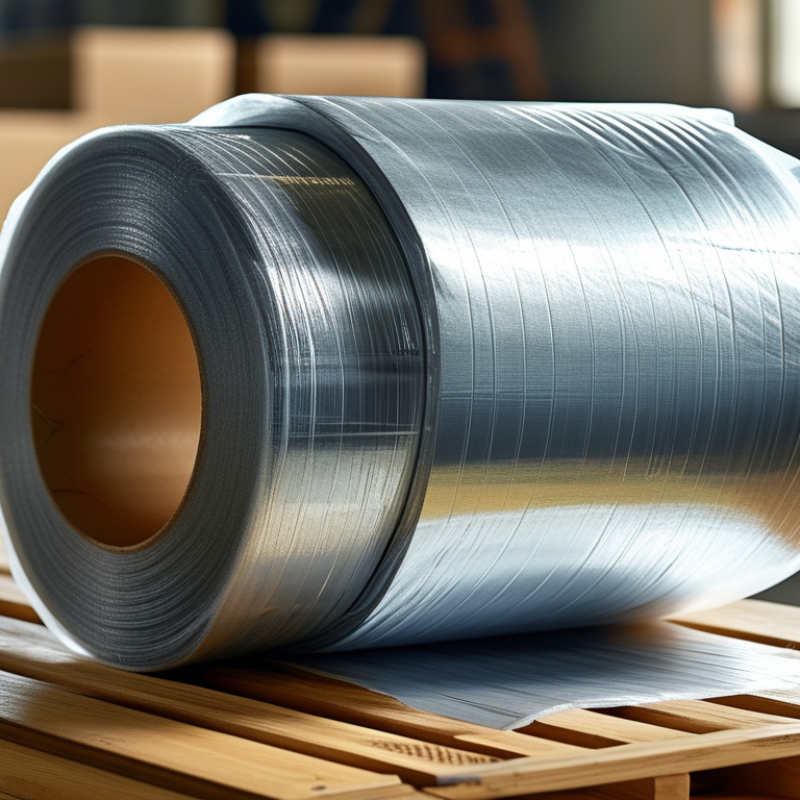
Shrink wrap film is a versatile material, commonly used in packaging. It is primarily made from polymers such as polyolefin or PVC. This film is thin yet strong, allowing products to be securely wrapped and protected. When heat is applied, the film shrinks tightly around the item. This creates a secure and tamper-proof seal, ideal for various applications. Typical uses include packaging food, electronics, and retail goods.
When selecting shrink wrap film, consider the thickness. A thicker film offers better durability. However, it may be harder to work with. Also, the choice of heating method is crucial. A heat gun or tunnel can produce different results. Experimenting with these methods can lead to better wrapping techniques.
Tips: Always test a small sample before full-scale wrapping. Check for leaks after packaging, as even a small opening can reduce shelf life. Proper storage of the shrink wrap film is also important. Keep it away from excessive heat and moisture to maintain its quality.
Types of Shrink Wrap Film Used in Packaging
Shrink wrap film is widely used in packaging across various industries. The choice of film type can significantly impact product protection and shelf appeal. There are several types of shrink wrap films available, each with unique properties suitable for different applications.
Polyolefin shrink film is popular due to its clarity and strength. It provides a professional look for retail products while ensuring durability. PVC shrink film, although less expensive, has lower performance characteristics. It is often used for bundling items together rather than enclosing individual products. According to a report by MarketsandMarkets, the global shrink wrap film market is projected to grow at a CAGR of 4.5% from 2023 to 2028, highlighting its importance in the packaging industry.
Tips: Always consider the product being packaged when selecting shrink film. Not all films provide the same level of protection or aesthetic appeal. Testing different films may show which one best meets your needs. Pay attention to shrinking temperatures as they can vary between film types.
Polyester shrink films are gaining traction, especially for high-temperature applications. These films are known for their excellent shrinkage and resistance to tearing. Choosing the right material can sometimes feel overwhelming. Ensure that the chosen type is compatible with your packaging equipment. A mismatch can lead to inefficiencies during production.
What is Shrink Wrap Film and How is it Used in Packaging? - Types of Shrink Wrap Film Used in Packaging
| Type of Shrink Wrap Film |
Material |
Applications |
Shrink Temp (°F) |
Key Features |
| PVC Shrink Wrap |
Polyvinyl Chloride |
Product bundling, retail packaging |
180-190 |
Economical, good visibility |
| LDPE Shrink Wrap |
Low-Density Polyethylene |
Food packaging, pallet wrapping |
200-250 |
Flexible, durable |
| HDPE Shrink Wrap |
High-Density Polyethylene |
Pallets, bundling |
200-250 |
Strong, resistant to punctures |
| Polyolefin Shrink Wrap |
Polyolefin (POF) |
Retail packaging, multipacks |
250-300 |
High clarity, heat resistant |
| Shrink Sleeves |
Various (e.g., PETG, PVC) |
Container labels, closures |
180-220 |
Full-color printing, decorative |
The Shrink Wrapping Process Explained Step by Step
Shrink wrap film is a versatile packaging solution widely used across various industries. The shrink wrapping process involves several key steps. Initially, the product is placed on a flat surface. A sheet of shrink wrap is then laid over the item. The edges must be sealed properly to avoid exposure. According to a report from Smithers Pira, the shrink wrap market is projected to grow at a compound annual growth rate of 4.5% between 2020 and 2026.
Once the product is wrapped, heat is applied. This can be done using a heat gun or an industrial heat tunnel. The heat causes the film to shrink tightly around the product, providing a secure, tamper-evident seal. It is essential to monitor the temperature closely. If the heat is too high, it may damage the product or the packaging. The ideal temperature and duration depend on the type of film and product. Inadequate sealing can lead to product contamination or spoilage.
After cooling, the wrapped product is ready for shipping or storage. Efficiency is improved, but the wrapping process is not without challenges. Technical errors can lead to inconsistencies in sealing. This requires careful monitoring and adjustment. Data indicates that about 15% of shrink-wrapped products may need rework due to improper sealing or thermal issues. Thus, training and proper equipment are crucial for success in this packaging method.
Applications of Shrink Wrap Film in Various Industries
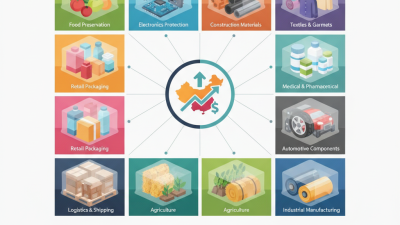
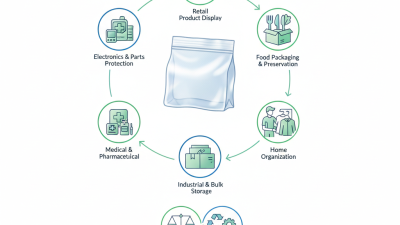
Shrink wrap film is widely used across various industries for efficient packaging solutions. In retail, it helps aggregate products for visual appeal and protection. According to a report by Smithers Pira, the shrink film market was valued at $12.07 billion in 2020 and is projected to reach $17.91 billion by 2026. This growth reflects the popularity of shrink film in consumer goods.
In the food industry, shrink wrap film ensures optimal freshness and durability. It acts as a barrier against moisture and contaminants. For example, a study by MarketsandMarkets notes that packaging represents up to 40% of the food supply chain waste. Shrink wrap minimizes waste by providing an efficient, lightweight layer that conforms tightly to products, enhancing shelf life.
Tip: When choosing shrink film, consider thickness and clarity. Thicker films offer better protection but may obscure product visibility. Ensure the film is compatible with your sealing equipment for best results. Keep in mind that improper application can lead to wasted materials and higher costs. Evaluate your processes regularly to maximize efficiency.
Benefits of Using Shrink Wrap Film for Packaging Solutions
Shrink wrap film is gaining popularity in packaging due to its numerous benefits. This versatile material is used to tightly wrap products, providing protection, visibility, and tamper-resistance. According to a recent industry report, the global shrink wrap film market is expected to reach $3.18 billion by 2026, highlighting its growing importance.
One major benefit of shrink wrap film is its ability to preserve product integrity. It shields items from environmental factors like moisture, dust, and UV rays. This preservation leads to reduced spoilage, which is vital for food and beverage sectors. Furthermore, shrink wrap's clarity allows consumers to see the product, enhancing appeal. Additionally, it helps minimize the use of additional packaging materials, contributing to sustainability efforts.
Tips for effective shrink wrap usage include:
- Ensuring proper heat settings during application. Insufficient heat can lead to loose wraps, while excessive heat may damage products.
- It's also important to choose the right film thickness for specific items. Some products may require a thicker film for better protection.
- Always test your shrink wrap process, as variations can impact the final product. These adjustments can make a significant difference.
- Small oversights can lead to larger issues, so attention to detail is crucial.