10 Tips for Buying Clear Poly Bags in Bulk?
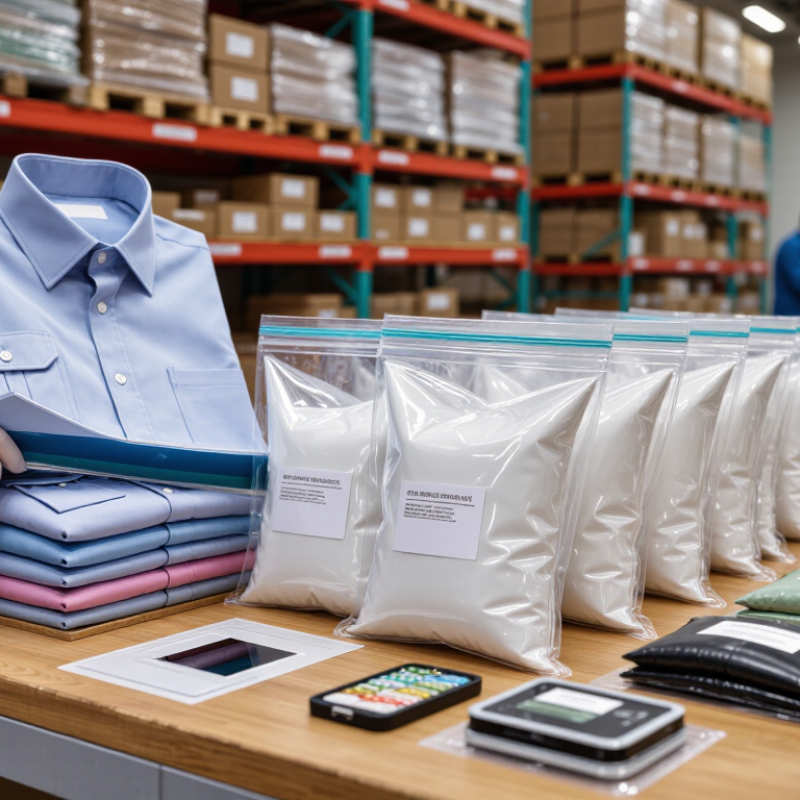
Buying clear poly bags in bulk can reduce packaging costs, but the lowest unit price rarely tells the whole story. A bag that splits at the seams or arrives in the wrong size can waste money and slow daily work. Picture a stack of folded shirts, printed labels, and a packing bench running behind schedule. Small details matter.
Before placing a large order, compare dimensions, thickness, clarity, and closure style against the items you actually pack. Ask suppliers for samples. Test them with real products, not just a quick glance under showroom lights. Check whether the film feels sturdy, whether seals stay closed, and whether the contents remain easy to see. If you need bags for food or another specific use, verify that the product is suitable and ask for relevant documentation. Never rely on a vague product description alone.
Bulk purchasing also depends on consistency. Confirm pack quantities, shipping costs, lead times, and how the supplier handles defects or repeat orders. Store bags away from sharp edges, excess heat, and dust. That sounds obvious, yet storage is easy to overlook when cartons arrive during a busy week. One imperfect detail can disrupt an otherwise sensible purchase. The following tips offer a practical way to compare options, avoid common buying mistakes, and choose clear poly bags that fit your products and routine.
Identify the Resin: Compare LDPE, LLDPE, and Polypropylene for the Application
When buying clear poly bags in bulk, match the resin to the job, not just the price. Low-density polyethylene (LDPE) is soft and flexible, with a smooth feel and good clarity. Linear low-density polyethylene (LLDPE) generally offers greater puncture and tear resistance at similar film thickness, making it useful for bags that hold angular items. Polypropylene (PP) is typically stiffer and can look especially clear, but it may feel less forgiving in cold handling.
Typical density ranges are about 0.910–0.925 g/cm³ for LDPE, 0.915–0.925 for LLDPE, and 0.900–0.910 for PP, according to the Polymer Data Handbook. These ranges overlap. A resin label alone cannot predict bag performance.
Think about the packing line. A bag that must stretch around a rough-edged part may suit LLDPE; a crisp, transparent retail presentation may favor PP. LDPE is often a practical choice for soft, general-purpose packaging. Typical melting ranges also differ: polyethylene grades commonly melt around 105–135°C, while PP is often near 160–170°C, as measured using differential scanning calorimetry methods described in ASTM D3418. These figures are not processing guarantees; grade and film construction matter.
Request samples at the intended thickness, then test seals, clarity, and puncture resistance with the actual product.
I once assumed a thicker bag would solve every tear issue. It did not. Load shape mattered more. Check supplier data sheets and compare results under ASTM D882 tensile testing before committing to a large order.
Set Film Thickness: 1 mil Equals 0.001 Inch or 25.4 Micrometers
For clear poly bags, film thickness is often listed in mils. One mil equals 0.001 inch, or exactly 25.4 micrometers, using the inch-to-metric conversion published by the U.S. National Institute of Standards and Technology. That small number matters. A 1 mil bag measures 0.0254 millimeters thick; a 2 mil bag measures 0.0508 millimeters. When comparing bulk quotes, check that suppliers mean single-wall thickness, not the combined measurement of both sides. It is an easy detail to miss.
Match thickness to the job, not just the price. A bag holding paper inserts may not need the same film as one carrying parts with sharp corners. ASTM International’s D6988 guide describes methods for measuring plastic film and sheeting thickness, underscoring why consistent measurement matters when comparing samples. Ask for a stated tolerance and verify a sample with a suitable gauge; hand feel alone is unreliable. Very thin film can feel surprisingly sturdy, until a corner finds it. I would also test a few bags under actual packing conditions, because real use is messier than a neat specification sheet. Thickness is useful, but it does not tell the whole story.
Choose Bag Dimensions and Closure to Fit the Product and Packing Process
Measure the product before choosing clear poly bag dimensions, including its widest point and any parts that stick out. A snug fit can strain seams, while excess room lets items slide and look untidy. Allow space for easy loading and removal. For a stack of folded shirts, for example, check the stack’s thickness, not just its length and width. Gussets can add useful capacity, but they may change how bags sit in a carton or feed through a packing station. Small details matter.
Match the closure to both the product and the packing process. Open-top bags are quick to fill by hand, while adhesive flaps can help keep lightweight items contained during handling. Resealable closures suit products that customers may open more than once, though they can take longer to close on a busy line. Test a small quantity before placing a bulk order. Try the actual product, packing method, and storage conditions. A bag that works on a sample table may behave differently at production speed. I have seen teams focus on the perfect fit and overlook how slowly a closure seals; it is an easy mistake to make, and worth checking early.
Check Film Strength Using ASTM D882 Tensile-Test Requirements
When buying clear poly bags in bulk, film thickness alone cannot tell you how well a bag will handle loading. ASTM D882 measures tensile properties of thin plastic sheeting, including tensile strength and elongation at break. The standard describes how to prepare and test film specimens; it does not set one pass-or-fail strength for every bag. That distinction matters. A thin film may stretch considerably before breaking, while a thicker film may resist stretching but still tear at a weak seal.
Ask suppliers for recent ASTM D882 test results from the same resin blend, thickness, and production run you plan to order. Check specimen direction, since machine-direction and cross-direction results can differ. Review thickness measurements, tensile strength, elongation, and test conditions together. ASTM D882’s reported measurements give buyers a more useful comparison than a vague “heavy-duty” claim. Keep the report with your purchase records.
Then test bags in realistic use. Fill samples with the items you ship, lift them by the top edge, and check for stress whitening, pinholes, and seal separation. A lab strip is not a loaded bag. That gap is easy to overlook. D882 data helps assess film strength, but it cannot predict every handling failure; sample tests and clear supplier documentation still matter.
Verify Food-Contact Suitability Under 21 CFR 177.1520 for Applicable Resins
When buying clear poly bags in bulk, ask whether the resin is suitable for your exact food and use conditions. FDA regulation 21 CFR 177.1520 covers specified olefin polymers, including certain polyethylene and polypropylene materials; it is not a blanket approval for every plastic bag. Check the supplier’s declaration, resin type, applicable paragraph, and any stated limits on food type, temperature, and contact time. A bag holding cool bread is not automatically suitable for hot, fatty foods.
Small details matter.
Request documentation for the finished bag, not only a generic resin data sheet. Confirm that inks, additives, and processing aids are covered for the intended application, and keep the lot number with your purchase records. The Flexible Packaging Association’s 2023 State of the U.S. Flexible Packaging Industry report estimated U.S. industry sales at about $42.9 billion for 2022, illustrating the scale of this packaging category—not proving that any specific bag is compliant.
Ask for written, product-specific confirmation. I would still verify the paperwork against the actual use; supplier language can be vague. If the declaration cites 21 CFR 177.1520, check that the cited resin and conditions match your order before approving a bulk run.