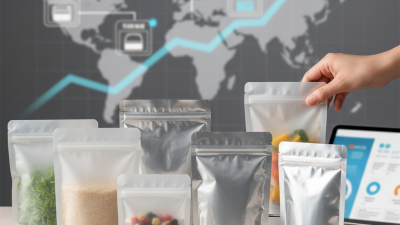
Polythene bags have become an essential product in global trade. A recent report by MarketsandMarkets states that the global polythene bags market is projected to reach $40 billion by 2026, reflecting their increasing popularity among buyers. As industries strive for sustainability, polythene bags are emerging as a viable alternative due to their lightweight nature and cost-effectiveness.
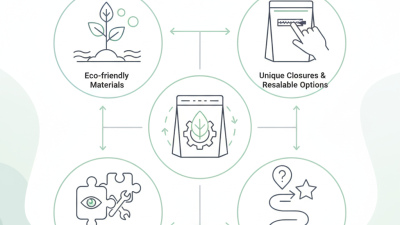
The versatility of polythene bags makes them suitable for various applications. They offer excellent resistance to moisture and chemicals, making them ideal for packaging food and other sensitive items. However, concerns about the environmental impact of plastic waste remain valid. Companies are increasingly seeking to develop recyclable options, promoting a more sustainable approach to packaging. This highlights the need for ongoing innovation in the industry.
While polythene bags provide numerous benefits, reflecting on their long-term impact is essential. Their convenience must be balanced with eco-friendly practices. As we explore the top benefits of polythene bags, it’s crucial to consider both their advantages and the challenges that come with widespread use.
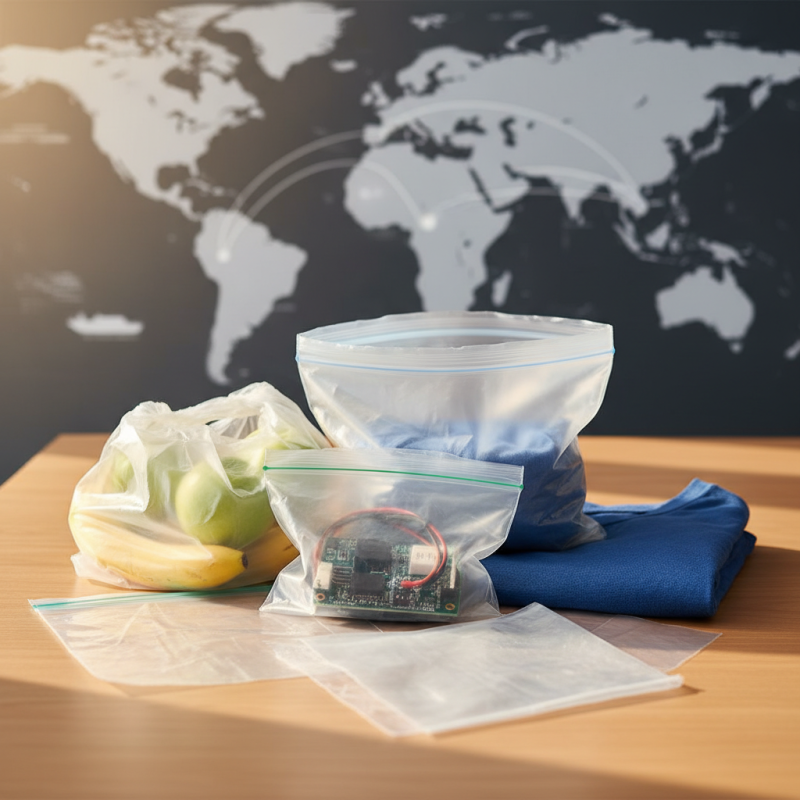
Polythene bags have become indispensable in various industries due to their versatility and practicality. These bags are lightweight yet durable, making them suitable for packaging a wide range of products. In the retail sector, for example, they are often used for shopping and carrying groceries. Their moisture-resistant properties keep products fresh and protected during transportation.
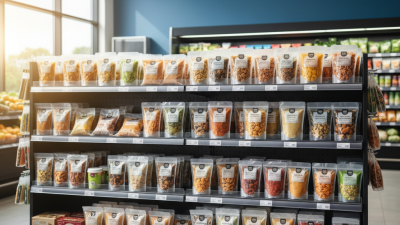
In the food industry, polythene bags play a crucial role. They are ideal for storing fresh produce, frozen items, and prepared foods. The ease of sealing these bags ensures the preservation of flavors and prevents contamination. However, environmental concerns about single-use plastic linger. Many industries are exploring biodegradable alternatives, yet polythene remains a favored choice due to its cost-effectiveness.
In construction and agriculture, polythene bags also prove valuable. They serve as protective covers for building materials and can be used for soil applications. This multifaceted usage highlights their essential role in modern commerce and industry. Despite the growing awareness of sustainability, companies must continually evaluate their packaging choices. Balancing functionality with environmental responsibility poses ongoing challenges for many.
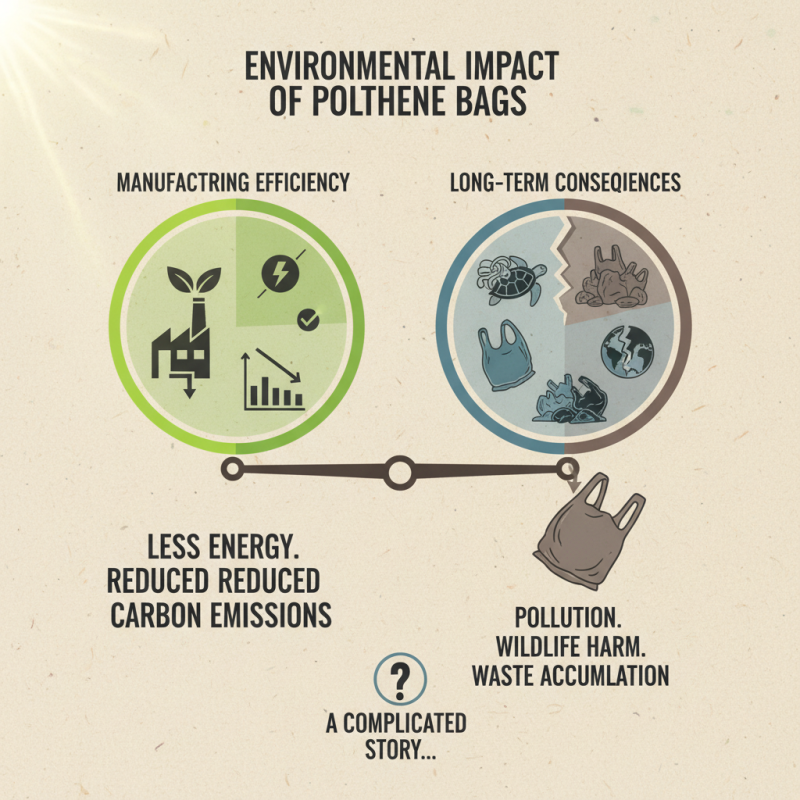
The environmental impact of using polythene bags is a topic that deserves careful consideration. On one side, these bags are known for their lightweight and durable properties. They require less energy to produce than many alternatives. This efficiency can lead to reduced carbon emissions during manufacturing. However, the story doesn’t end here.
Polythene bags contribute significantly to plastic pollution when discarded improperly. They can take hundreds of years to decompose. Many marine animals mistake them for food, leading to severe ecological consequences. The challenge lies in balancing convenience with environmental responsibility. Some studies suggest recycling rates for polythene bags remain low. This creates a cycle that harms the environment.
Communities are beginning to reflect on their usage. Many are exploring biodegradable options as an alternative. This shift indicates a growing awareness of sustainability. It is clear that while polythene bags offer benefits, their environmental cost cannot be ignored. Awareness and education will play pivotal roles in shaping future consumption habits.
Polythene bags offer notable cost-effectiveness for global buyers. These bags are lightweight, reducing shipping costs significantly. Businesses can save money on both transportation and packaging. Their durability ensures they can withstand heavy loads, making them a reliable choice for various products.
Additionally, polythene bags are versatile. They can be used in many industries, from retail to agriculture. This adaptability allows companies to streamline their packaging solutions. Despite their many advantages, some companies may overlook the environmental impacts. It’s crucial to examine the full lifecycle of these bags. While they are economical, the long-term effects on waste management deserve attention.
Cost-effectiveness does not come without reflection. The initial low cost might tempt buyers to overlook sustainable options. Investing in eco-friendly alternatives might seem pricey at first. However, this could lead to better environmental practices in the long run. Balancing cost with sustainability can enhance a brand's reputation while supporting global responsibility.
| Benefit | Description | Cost Savings (%) |
|---|---|---|
| Lightweight | Easy to carry and reduces shipping costs. | 15% |
| Durability | High resistance to punctures and tears. | 10% |
| Water Resistance | Protects contents from moisture. | 12% |
| Versatile | Can be used for various applications. | 8% |
| Recyclability | Can be recycled to reduce environmental impact. | 20% |
| Customization | Easily printed with logos and designs. | 5% |
| Cost Effective | Low material cost compared to other packaging. | 18% |
| Availability | Widely available across the globe. | 3% |
| Storage Space | Takes up less space compared to sturdier options. | 10% |
| Hygienic | Provides a clean and safe way to package items. | 7% |
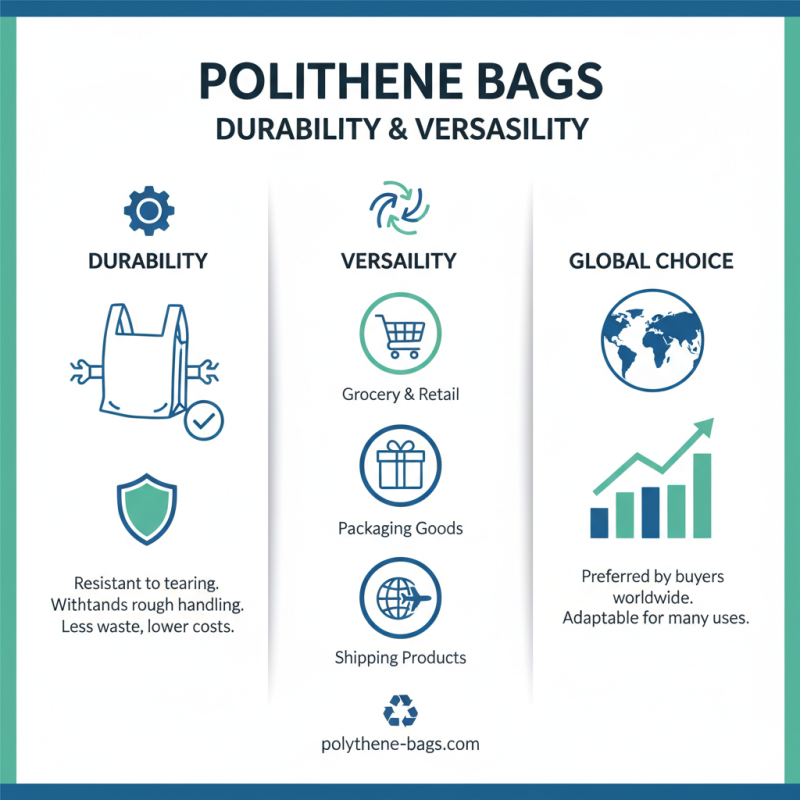
Polythene bags offer significant durability and versatility, making them a preferred choice for global buyers. These bags can withstand rough handling and harsh conditions without tearing, which makes them ideal for various applications. For example, they are commonly used in grocery stores, packaging goods, and shipping products. This durability leads to less waste. Fewer replacements mean lower costs in the long run.
Moreover, polythene bags are versatile in their design. They can be produced in multiple sizes, shapes, and colors to meet diverse packaging needs. This adaptability enhances branding opportunities for businesses. However, some may overlook environmental implications. Their persistent nature can lead to waste concerns if not disposed of properly.
While polythene bags excel in many areas, users must consider their usage responsibly. It's important to remember the balance between functionality and ecological impact. Exploring alternatives or recycling options can help mitigate their footprint. A thoughtful approach can enhance both utility and sustainability.
Polythene bags are widely used in the packaging industry. Their versatility and durability make them a popular choice compared to other options. When analyzing polythene bags against alternatives like paper or reusable bags, several factors come into play. Polythene bags are lightweight and waterproof. This quality protects products from moisture and damage during transport.
While paper bags are biodegradable, they can easily tear. They may not offer the same level of protection for heavier items. Reusable bags are often stronger but require a significant initial investment. Not everyone has access to them, which can limit their usability. Polythene bags are more accessible for global buyers seeking cost-effective solutions.
Environmental concerns exist with polythene bags, especially regarding plastic waste. The durability of polythene means they last, which can be detrimental when improperly disposed of. However, their ability to be recycled improves their sustainability profile. Balancing these aspects is vital when choosing the right packaging solution. Buyers must weigh performance, cost, and environmental impact for informed decisions.
Interested in working with our team? Reach out to our team for a no-strings-attached consultation.
1 (833) PPC-FLEX
1111 Busch Pkwy
Buffalo Grove, IL 60089, USA