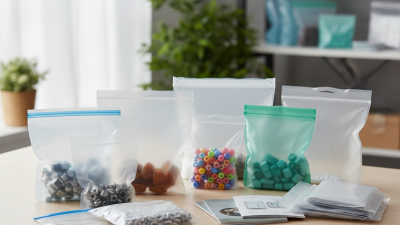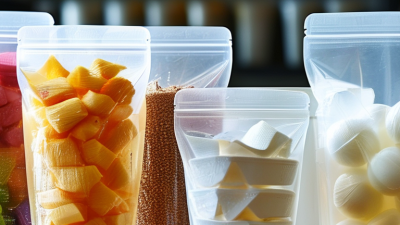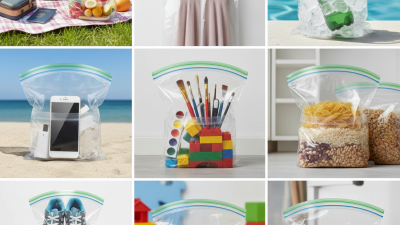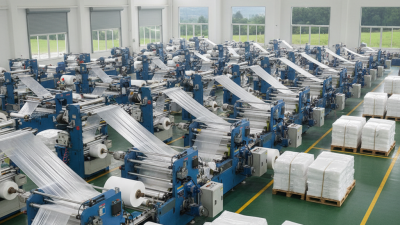
Polythene bags have gained popularity in various industries for a reason. Their versatility makes them suitable for many packaging needs. These bags are lightweight, durable, and moisture-resistant. Businesses can rely on them to protect products during shipping and storage.
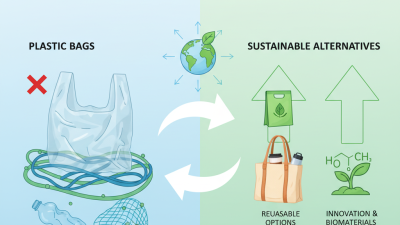
The environmental debate around polythene bags is significant. While they offer convenience, we must consider their impact. Efforts are in place to improve recycling processes. Consumers should be aware of both benefits and drawbacks. A well-rounded approach to using polythene bags makes sense in today’s market.
Choosing polythene bags means balancing practicality and sustainability. It's not merely about function; it’s also about responsibility. Brands need to weigh their options carefully. The decision to use polythene bags should be informed and thoughtful.
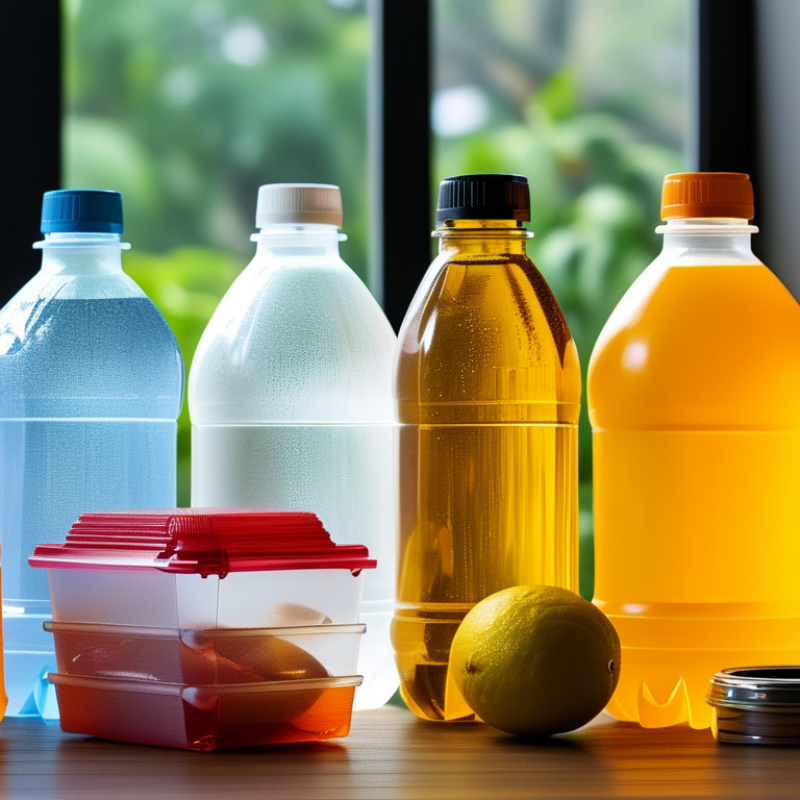
Polythene bags have become popular for various packaging needs due to their many benefits. One significant advantage is their durability. These bags can handle heavy loads, making them ideal for shipping and storing items. Their resistance to moisture ensures that packaged goods remain dry. For businesses, this translates to lower returns and better customer satisfaction.
When choosing polythene bags, consider their thickness. Thicker bags often offer better protection but might be more expensive. It's essential to balance cost and durability. Additionally, ensure that the bags are made from high-quality materials to avoid tears or leaks.
Tips for effective packaging: Always test different bag sizes to find the best fit for your products. Also, avoid overstuffing, as this can lead to breakage. Lastly, if you're environmentally conscious, look for recyclable options. This choice shows responsibility and can enhance your brand's image.
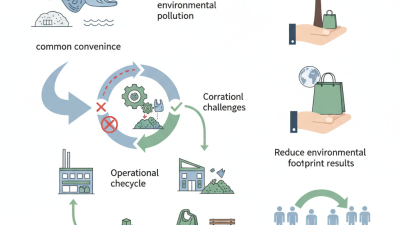
Polythene bags have become a common choice for packaging. Their environmental impact is often a concern compared to alternatives like paper or cotton. Research shows that polythene bags require less energy to produce. One study indicates that producing polythene uses 40% less energy than paper bags. This energy efficiency translates into lower carbon emissions.
However, polythene is not without drawbacks. It can take hundreds of years to decompose in landfills. By contrast, paper bags decompose in a few months. The environmental cost of not recycling polythene is significant. In many regions, only 9% of plastic bags are recycled, leading to increased pollution.
Interestingly, polythene bags are lightweight. They reduce transportation emissions due to their lower weight. A report from the British Plastics Federation highlights that using polythene can decrease the overall carbon footprint in shipping. This is crucial for businesses aiming to lower their environmental impact. The decision to use polythene bags should consider both their practicality and long-term environmental effects.
Polythene bags are renowned for their durability. Statistics show that polythene can endure a tensile strength of up to 30 MPa. This resilience makes them ideal for various packaging applications. Not only can they withstand rough handling, but they also protect the contents from external factors. Industries ranging from retail to food packaging heavily rely on this material.
The versatility of polythene is another compelling reason for its popularity. Reports indicate that polythene bags are recyclable, reducing environmental impact. Additionally, they can be tailored in size and thickness, accommodating diverse needs. From grocery stores to e-commerce, their flexible design caters to unique product requirements. This adaptability can sometimes lead to over-reliance on a single solution. Companies must periodically evaluate their packaging strategies to ensure they align with sustainability goals.
Despite their benefits, there are considerations. Some users report issues related to strength under extreme conditions. Moreover, not all polythene bags are created equal. The quality can vary, potentially affecting consumer trust. Regular assessments of material performance are crucial. Businesses should remain vigilant about the materials they choose for packaging to ensure quality and effectiveness.
Polythene bags have gained popularity in recent years due to their cost-effectiveness for businesses. They are lightweight yet durable, making them ideal for various packaging needs. The production cost of polythene is generally lower than that of many alternatives. This allows companies to save money while maintaining quality.
Another aspect of cost-effectiveness is their versatility. Polythene bags can be used for food storage, retail packaging, and shipping. Businesses can reduce their overhead by using one type of bag for multiple purposes. This adaptability can lead to significant savings.
However, it’s essential to reflect on the environmental impact. Overuse of plastic can harm ecosystems. While polythene bags can be recycled, businesses must adopt responsible practices. Encouraging customers to return bags or promoting recycling can enhance the overall sustainability of using polythene. Finding a balance between cost savings and environmental responsibility is crucial for long-term success.
| Feature | Polythene Bags | Other Packaging Options |
|---|---|---|
| Cost per Unit | $0.05 | $0.15 |
| Weight | Lightweight (0.002 kg) | Heavier (0.01 kg) |
| Recyclability | Yes | Varies |
| Durability | High | Medium to High |
| Water Resistance | Excellent | Moderate |
| Customizability | Easy | Limited |
| Storage Space Needed | Minimal | More Required |
Polythene bags are a popular choice for environmentally conscious packaging. Their recyclability is a key factor. According to the British Plastics Federation, polythene can be recycled multiple times. This reduces waste significantly. In Europe, over 60% of polythene bags are recycled each year. This is an encouraging statistic, considering the rising concerns about plastic waste.
Recycling practices for polythene can be improved. Only about 9% of all plastic waste is effectively recycled globally, suggests a study by the World Economic Forum. This highlights the need for better initiatives and public awareness. Organizations can adopt closed-loop systems. This means using recycled materials to create new bags. It’s a more sustainable method.
Sustainability also requires accountability. Many consumers are unaware of proper disposal methods. Industries must support educational campaigns. They should guide customers on recycling options. Although the advantages of polythene are clear, the challenges remain. Bridging the gap between usage and recycling can enhance the overall sustainability of polythene packaging. The future may hold improvements, but current practices warrant reflection and action.
Interested in working with our team? Reach out to our team for a no-strings-attached consultation.
1 (833) PPC-FLEX
1111 Busch Pkwy
Buffalo Grove, IL 60089, USA